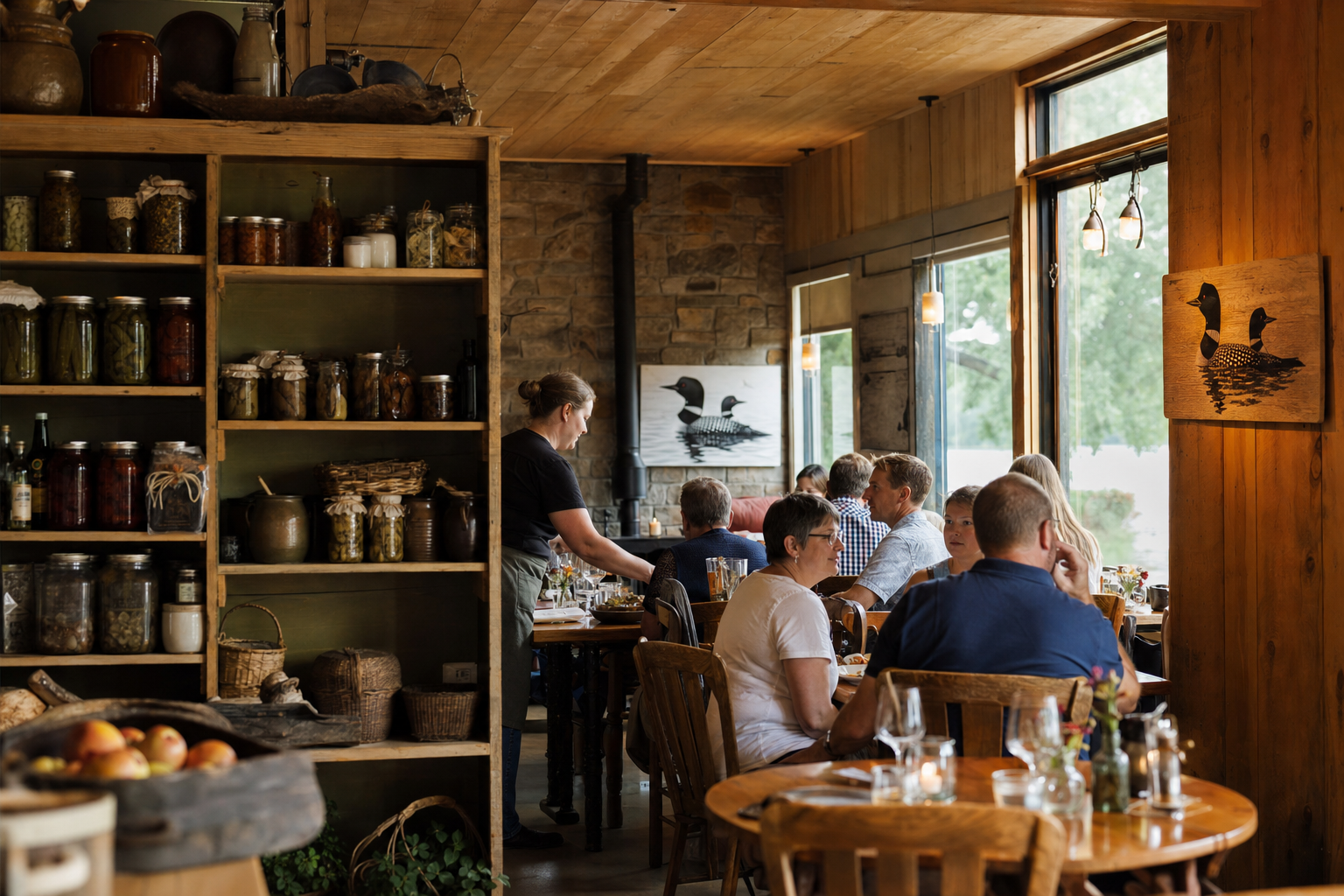
The first visit to Prairie Root Cellar, in early spring, found a Saint Cloud kitchen that was cooking inside the constraints of its geography with a discipline that few restaurants in the metro had attempted. The cold-storage menu was the kitchen's structural argument, the relationship to the Central Minnesota farm network was substantive rather than marketed, and the operational decisions — the working root cellar in the basement, the section captains who knew the menu by producer name, the menu that read as a record of what the cellar held that week — added up to a restaurant that was clearly intending to operate at a level above what Saint Cloud had previously sustained. The first-visit rating reflected that promise. The second visit, in late spring after the cellar has emptied and the early-season produce has arrived, finds a restaurant that has clarified further into one of the most deliberate kitchens in the state. The three-loon rating is the appropriate response.
The seasonal turn is the most important development between the two visits. The March menu's cold-storage compositions were the kitchen's winter argument; the May menu, visited on a Tuesday evening with the door open to the early-summer air, is a different restaurant operating at the same level of seriousness. The cold-storage items have largely disappeared. The plate compositions have moved toward the snap peas, ramps, early greens, and asparagus that the surrounding farms have begun delivering. The duck-leg cassoulet that anchored the winter menu has been replaced by a duck-breast preparation that pairs the meat with morel mushrooms from a forager based in the Stearns County woods and a portion of the first asparagus from a Cold Spring farm. This is the menu of a kitchen that has been planning the seasonal transition since the previous fall.
The Spring Menu in Practice
The morel preparation is the menu's most ambitious plate and the structural test of the kitchen's relationship to its foraging network. Morels are a notoriously difficult ingredient to source consistently — the season is short, the supply is unpredictable, the quality is variable — and most restaurants that put morels on the menu in spring are doing so as a featured ingredient that the kitchen has acquired through a single delivery rather than through a working forager relationship. Prairie Root Cellar's morel preparation is built on a multi-week supply from a Stearns County forager who has been delivering to the kitchen for the entire morel season, with the menu adjusting as the quality and quantity of the deliveries shift. The current plate combines the morels with the duck breast, a brown-butter sauce, and a small portion of the first ramps. The plate eats as a complete spring argument.
The asparagus preparation is the menu's quietest plate and the one that demonstrates the kitchen's discipline most clearly. The asparagus is roasted whole over high heat, served with a brown-butter emulsion, a small portion of preserved lemon, and a piece of toasted bread from the kitchen's own bakery. The vegetable is the entire argument. The technique is restrained because the asparagus does not need more. This is the kind of plate that a kitchen produces when it has the confidence to let an ingredient be the meal rather than dressing it up into a more elaborate composition.
The rabbit, which is the menu's year-round protein, has been treated differently in spring than in winter. The winter braise has been replaced by a confit-and-grill preparation that uses the same Stearns County farm but treats the meat with the lighter technique that the season calls for. The plate is served with a salad of early greens, a portion of pickled ramps from the kitchen's own preservation program, and a small portion of foraged sumac-and-vinegar relish. The plate is the kitchen's most successful synthesis of the spring foraging program with the year-round protein sourcing.
The Bar and the Service
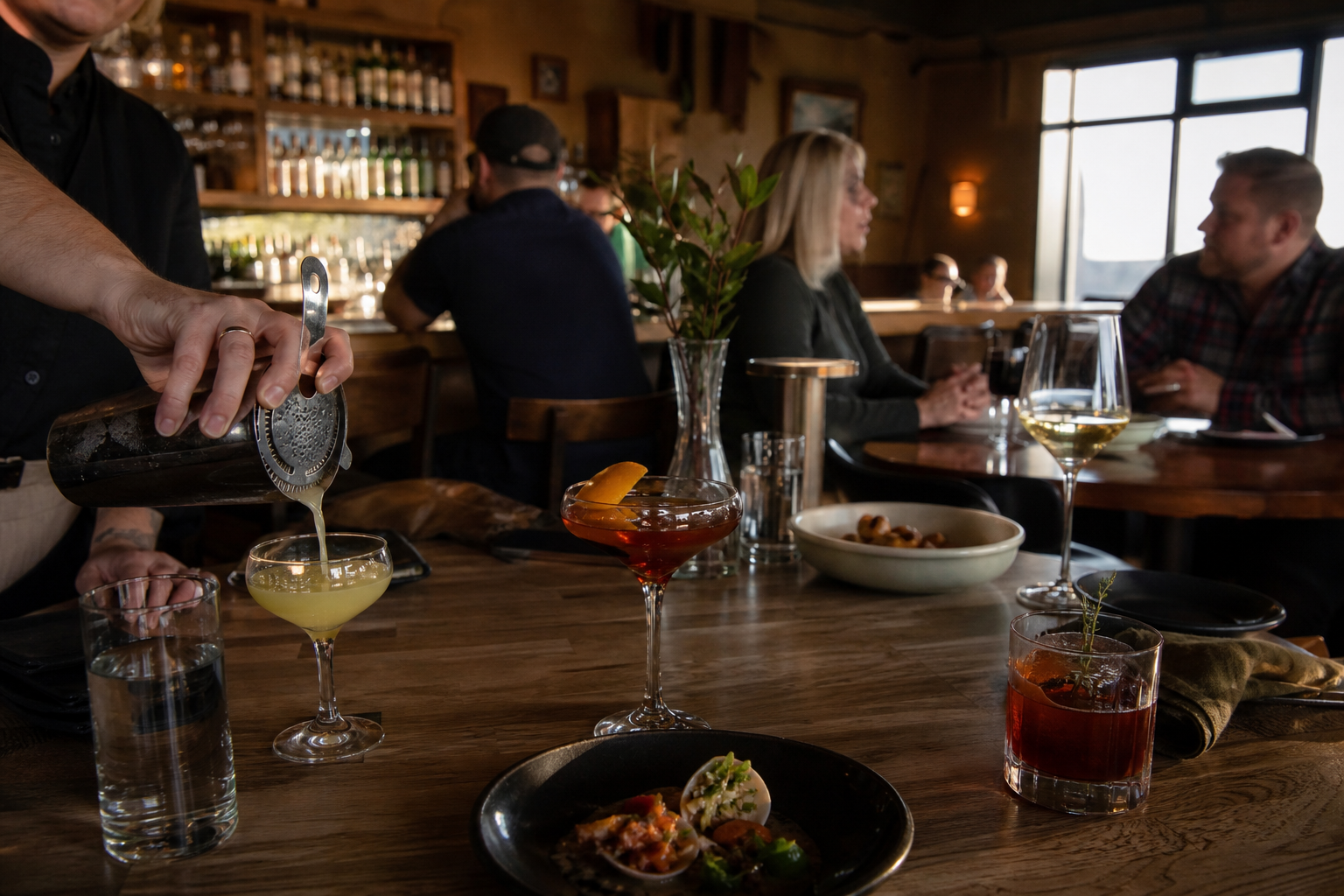
The bar program remains intentionally modest and has not substantially developed between visits. This is the limiting factor in the rating, and it remains so. The cocktail score sits at the Tier 2 all-dimensions floor, which is sufficient for the rubric's loon-gating logic but does not contribute to the upward pressure that the food and service dimensions are providing. The wine list has been refined slightly for the spring menu, with the addition of a few lighter bottles that pair specifically with the season's lighter plates, and the by-the-glass program has expanded to fourteen options. The bar is appropriate for the restaurant. It is not the restaurant's argument.
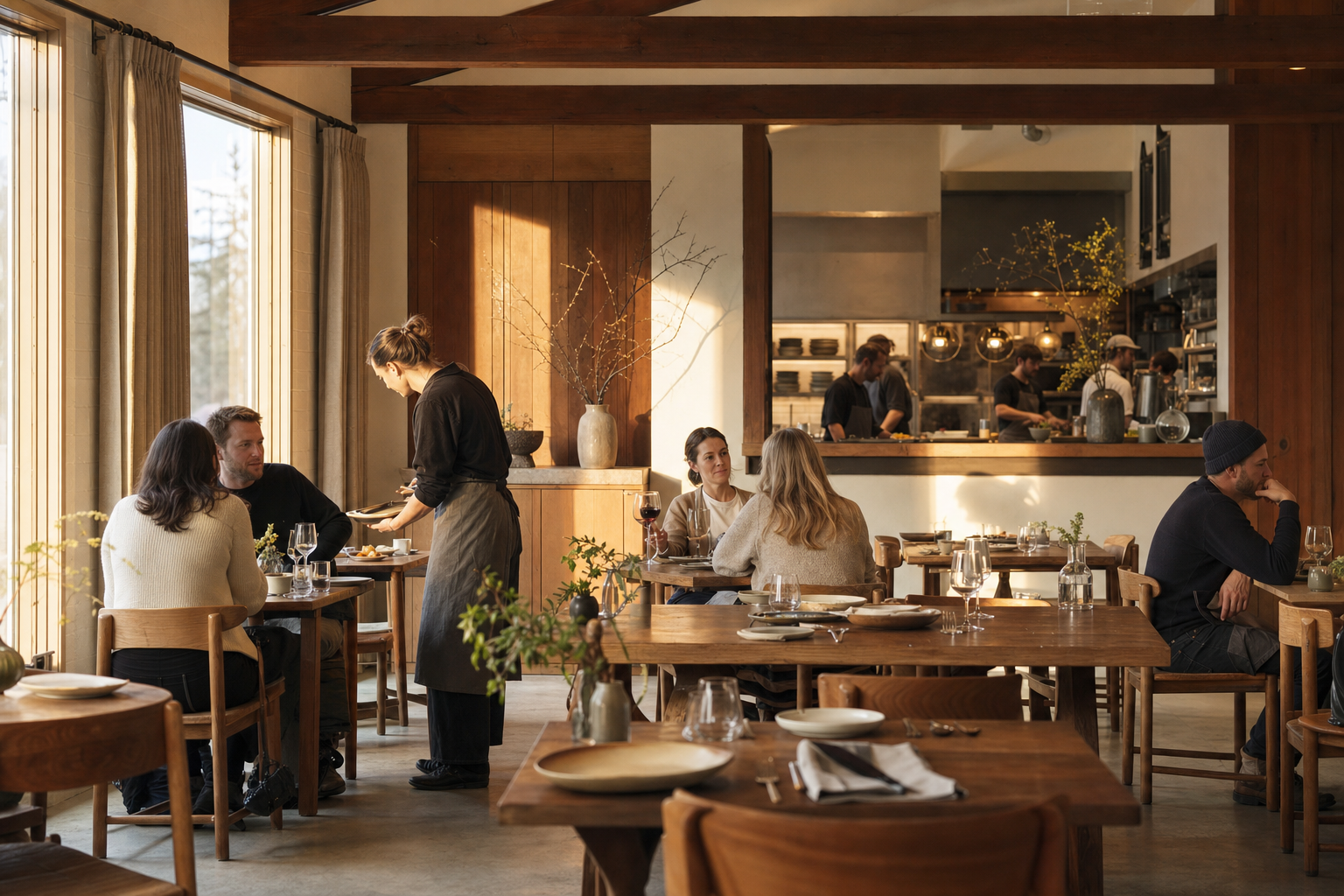
The service has continued to develop. The section captains have absorbed the spring menu's details with the same care that they brought to the winter menu, and the recommendations offered to guests are now specific to both the menu and the season. The pacing of the meal is correct for the kitchen's needs. The wine pours arrive at the right moments. The dessert and coffee service are calibrated for guests who want the evening to extend beyond the meal itself. These are the kinds of operational details that distinguish a serious restaurant from a competent one, and Prairie Root Cellar has them all in place.
The Three-Loon Rating and What It Says About Saint Cloud
The Four Loons rubric awards Prairie Root Cellar a Tier 3 loon designation on this revisit. The food score has moved up to the Tier 3 level on the strength of the spring menu's compositions and the kitchen's continued refinement. The service clears the Tier 3 service floor. The all-dimensions floor at the Tier 3 level requires a minimum of 3.0 across all dimensions, and the cocktail score at 3.0 meets that floor exactly. The weighted score sits in the Tier 3 range. The Minnesota Character score is at the rubric's ceiling, reflecting the kitchen's genuine commitment to its geography.
What this rating says about Saint Cloud is the more important point. Saint Cloud has been historically dismissed as a serious food city, with the assumption that the population base and the agricultural surroundings could not sustain a restaurant operating at this level. Prairie Root Cellar has demonstrated, in a year and a half of operation, that the assumption was wrong. The Central Minnesota food shed has the depth to support a serious kitchen, the city has the audience to sustain it, and the restaurant has the operational discipline to deliver against both. The three-loon rating is the publication's recognition of this, and it is the kind of rating that the rubric is designed to identify — a restaurant that has clarified its argument across multiple visits and that is now operating at a level that justifies the drive from anywhere in the metro.
The path to a fourth loon is identifiable. The bar program would need to develop into something that matches the kitchen's ambition. The atmosphere score would need to grow into the higher floor that the Tier 4 designation requires. The kitchen would need to continue refining its menu across the full seasonal cycle. The trajectory suggests the restaurant is capable of this. For now, the three loons are honest. The spring menu is the strongest evidence yet of what the kitchen is capable of. The morel preparation is the structural plate. The asparagus is the quiet argument. Saint Cloud has earned this restaurant, and the restaurant has earned the rating. Fictional re-review for illustration.