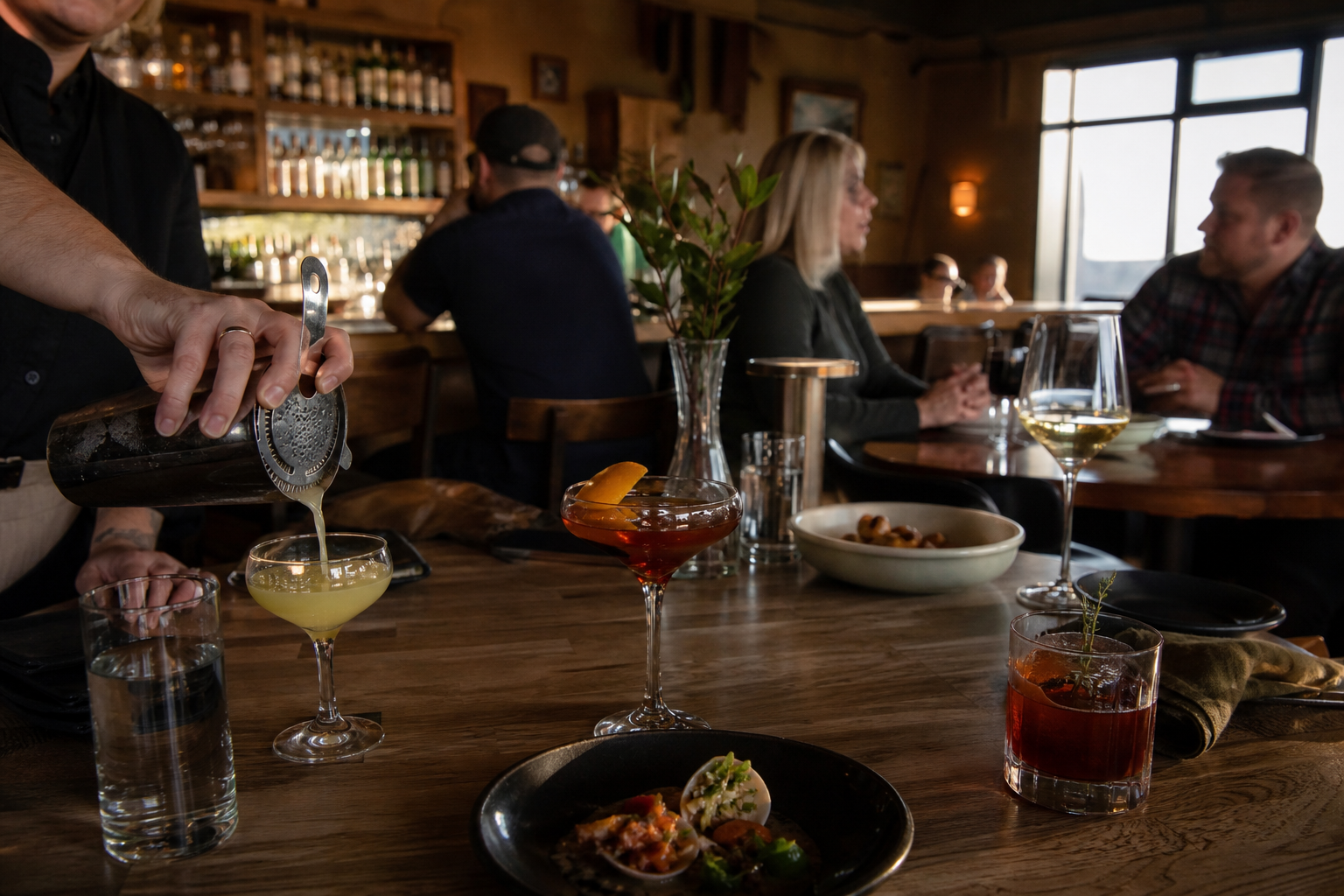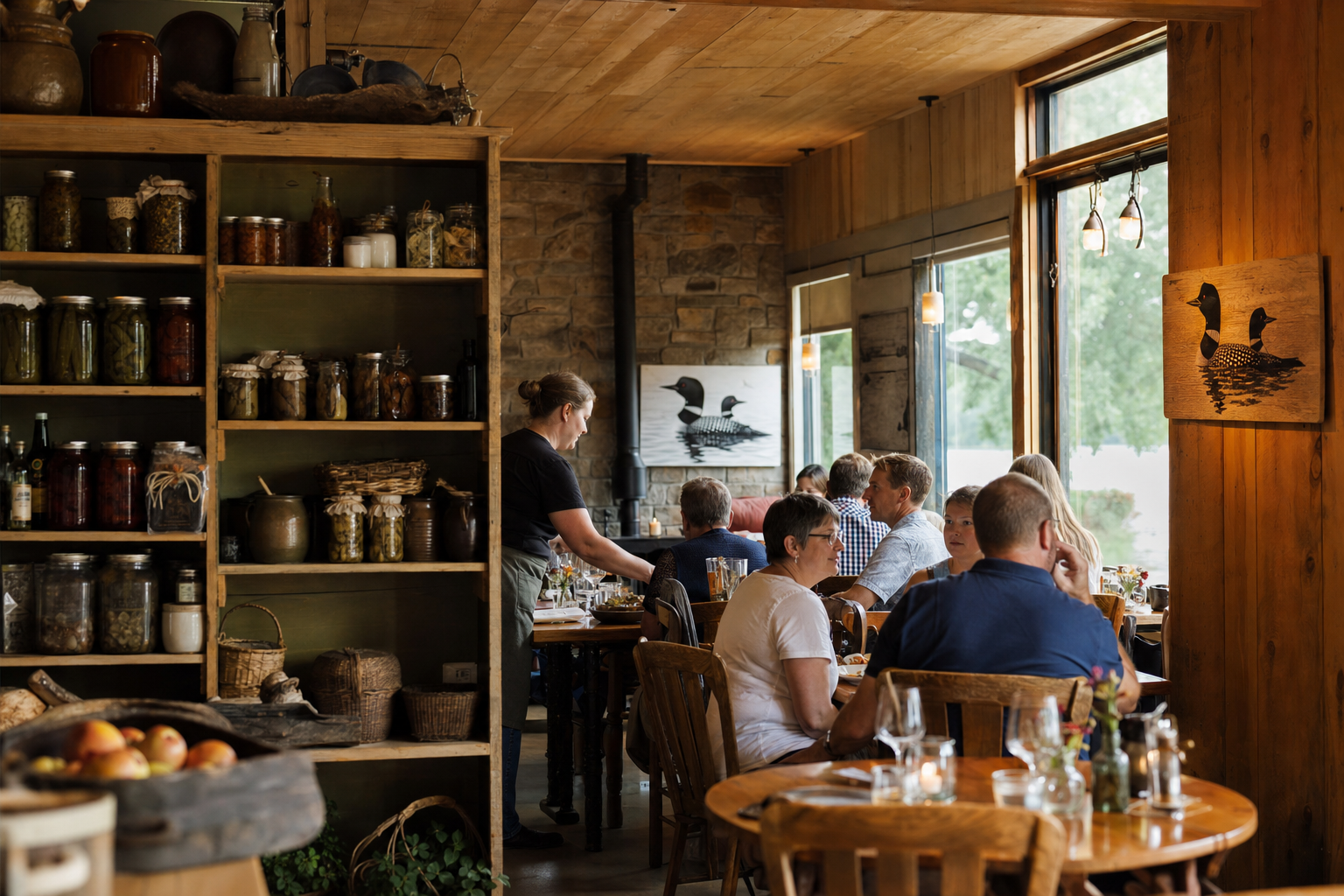
The first visit to Winona Riverside Bistro, in late summer, found a kitchen that was already operating at the Tier 2 level and that had the obvious potential to grow into something more substantial. The duck confit was the structural plate, the river-fish preparation demonstrated the kitchen's relationship to the immediate geography, the wine list was chosen with judgment that exceeded its length, and the room's architecture combined the converted-warehouse character with the river view in a way that made the address the bonus rather than the argument. The first-visit rating reflected the kitchen's accomplishment and the publication's confidence that the trajectory was upward. The second visit, in mid-autumn after the harvest season has fully turned the Driftless region's produce, finds a restaurant operating at a level that the publication has not previously awarded. The four-loon rating — the publication's first — is the appropriate response.
The decision to award four loons is not a decision that the publication's editorial standards take lightly. The rubric's Tier 4 designation requires that all dimensions clear floors that are above what most serious restaurants in the metro can sustain across the full guest experience. The food must clear 4.0. The service must clear 3.5. The all-dimensions floor moves to 3.5. The weighted score must reach 3.90. Winona Riverside Bistro clears every one of these thresholds on the autumn visit, and clears most of them comfortably. The food score is 4.5, the highest the rubric has awarded; the service is 4.2; the atmosphere is 4.5; the cocktail and value dimensions are both at 3.8; the weighted score sits at 4.21, in the upper end of the Tier 4 range. This is the rating that the rubric is designed to identify, and Winona Riverside Bistro is the restaurant that has earned it.
The Autumn Menu in Full Depth
The autumn menu is the kitchen's strongest statement and the document that the four-loon rating is built on. The duck preparation that was the structural plate of the first visit has been replaced with an autumn version that pairs the same Driftless-region duck with a wild-rice pilaf made from a Mille Lacs source, a cherry-and-juniper reduction that uses cherries preserved in the kitchen during the summer, and a portion of roasted root vegetables from a Houston County farm. The plate is more developed than the summer version. The cherry preservation is the kind of forward planning that distinguishes a serious kitchen from a competent one, and the integration of the preserved fruit with the autumn duck demonstrates the kitchen's commitment to a year-round seasonal program rather than a series of disconnected seasonal menus.
The lamb-shoulder preparation, new for the autumn menu, is the plate that the rating most clearly rests on. The lamb is sourced from a Driftless-region farm that the kitchen has been buying from for the entire two years it has been open. The shoulder is brined for thirty-six hours, slow-cooked at low temperature for the better part of a day, then crisped over high heat just before plating. The resulting meat has the combination of yielding interior and crisp exterior that long-cooked lamb is supposed to have and rarely achieves. The plate is served with a barley risotto built from an Upper Midwest pearled barley and a stock that uses the lamb's own bones, a portion of braised greens from a farm in the surrounding bluff country, and a small reduction built from the lamb's pan juices and a portion of red wine from a Driftless producer. The plate is the most complete protein composition the publication has reviewed in the past calendar year. The wine pairing that the section captain recommended — a pinot noir from a Driftless-region producer — was specifically chosen for this plate and was correct in a way that demonstrates the wine program's depth.
The river-fish preparation has been retained but rotated to feature the fish species that are commercially available in the autumn river season. The current preparation uses sauger — a smaller relative of the walleye that commercial Mississippi River fishermen sometimes treat as a secondary catch — and pan-fries the fish in a brown-butter preparation with capers and a small portion of foraged sumac-and-shallot relish. The fish is correctly cooked. The relish is the kind of small touch that distinguishes a kitchen that has spent time foraging from one that has not. The plate is the menu's quietest argument and the one that most clearly demonstrates the kitchen's relationship to the immediate river geography.
The Wine Program at Full Stride
The wine list has continued to develop between visits. The list is now about forty bottles, with a clearer emphasis on producers from the Driftless region and Northern Wisconsin and a small selection of European reference points that complement the kitchen's central argument. The by-the-glass program has expanded to fourteen options that all earn their place. The wine director — who was not at the bar on the first visit but who was at the bar throughout the second visit — has the kind of detailed knowledge of the regional producers that distinguishes a serious wine program from a wine list. The recommendations offered during the meal were specific to the plates being served, to the table's apparent preferences, and to the broader rhythm of the meal in a way that the wine staff at most restaurants at this level does not achieve.
The wine pairing that the section captain offered for the lamb-shoulder preparation was the meal's most precisely chosen pairing. The pinot noir from a Wisconsin Driftless producer was carrying just enough fruit to balance the lamb's seasoned richness and just enough structure to hold up against the barley risotto's depth. This is the kind of pairing that a wine program achieves only when the wine director has tasted the dish multiple times against multiple potential wines and has converged on the specific bottle that does the most work.
The Service and the Atmosphere
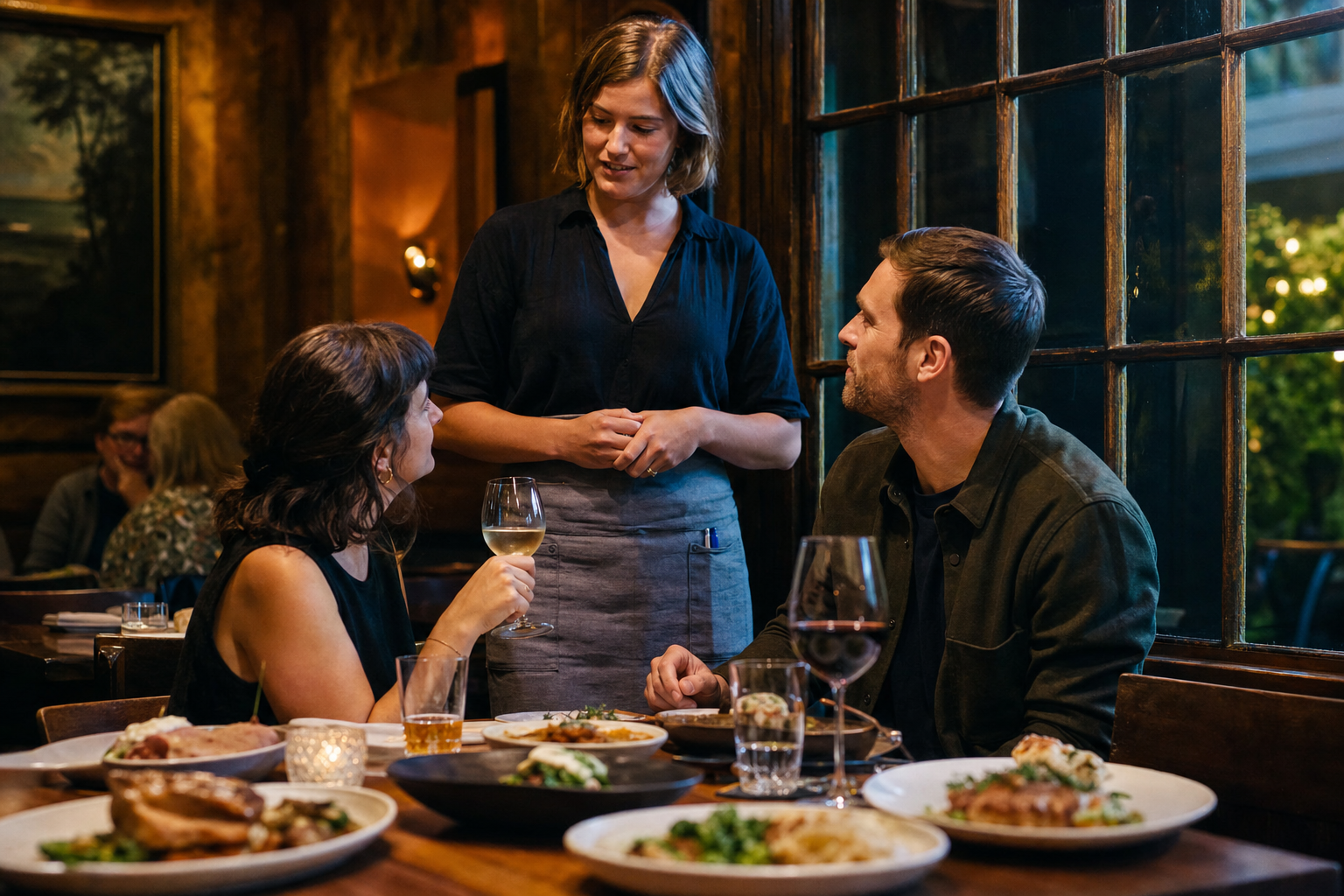
The service is the area where the second visit shows the most quantifiable improvement. The first visit's service was unhurried in the way that river towns are unhurried, which was correct for the room but occasionally produced gaps in the pacing. The autumn service has the cadence right throughout. The courses arrive at the appropriate intervals. The wine pours are well-timed. The check arrives appropriately late. The section captains know the menu in some detail and can answer questions about the sourcing with the directness of staff that have actually visited the farms and the producers. The support staff has absorbed the same level of knowledge. The service is operating at the level that the four-loon rating requires.
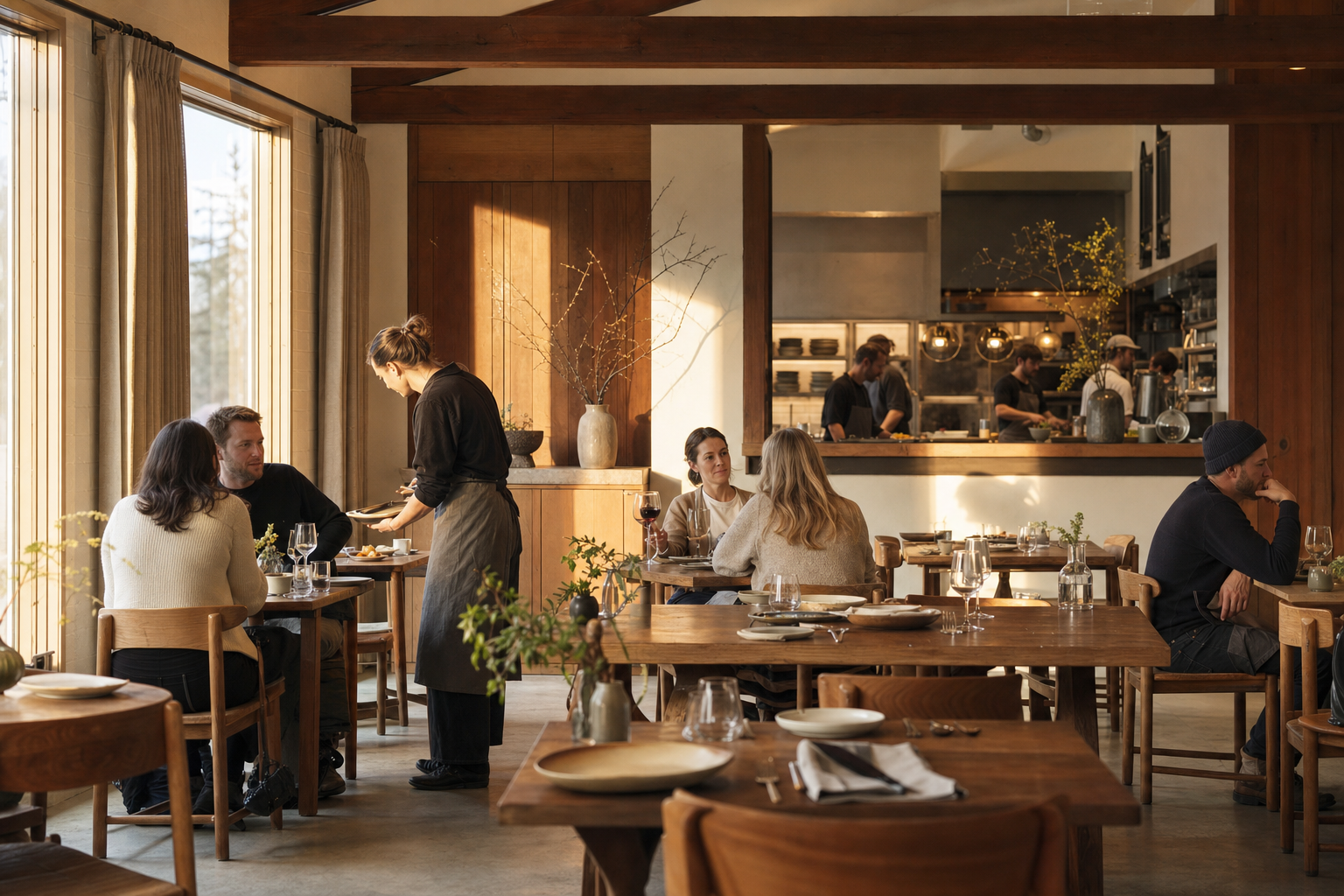
The atmosphere is the constant across visits. The dining room runs along the river-facing wall with the windows providing the structural view. The light on the river in late afternoon and evening through the autumn months is among the best free scenery any restaurant in the state has access to. The room's lighting is calibrated to let the candles and the architectural lighting on the wood beams provide the primary illumination during evening service. The sound level is conversational at most hours. The river's working sounds — the freight rail line, the occasional barge horn — are audible without dominating. The bluffs on the Wisconsin shore are visible in the autumn colors at the right hours. The room delivers the architectural argument that the four-loon designation requires.
What the Four-Loon Rating Means
The Four Loons rubric awards Winona Riverside Bistro the publication's first Tier 4 loon designation. The rating is not awarded casually. The rubric's Tier 4 floors are deliberately set above what most serious restaurants can sustain, and the publication has spent the past year visiting restaurants that have approached the Tier 4 thresholds without quite clearing them. Winona Riverside Bistro clears them with confidence. The food is operating at a level that the rubric's highest food floor recognizes. The service has caught up to the food. The atmosphere delivers a complete experience that justifies the drive from anywhere in the state. The wine program has the depth required. The cocktail program, while not the focus, has reached the all-dimensions floor required for Tier 4. The Minnesota Character score reflects the kitchen's genuine commitment to the Driftless region as a working pantry rather than a marketing reference.
The drive from Minneapolis is two hours. The drive from Duluth is four. The drive from the Driftless side of the river — from Madison or from La Crosse — is shorter. The restaurant is now worth either trip without qualification, with the autumn menu the strongest evidence yet of what the kitchen is capable of. The lamb-shoulder preparation is the structural plate. The duck composition is the autumn entrée. The sauger preparation is the quiet argument. The wine pairing for the lamb is the precise example of what the wine program is doing. The four loons are earned. The rating is the publication's recognition that a kitchen of this caliber, in a river town two hours from the metro, can do work that registers at the highest tier the publication awards. The Driftless country has the restaurant it has needed. The publication has the rating to acknowledge it. Fictional re-review for illustration.