The first visit to Vermilion Cocktail Lounge, in late winter, found a Duluth bar operating at a technical precision that few American cocktail programs at any size or address match. The drinks were correctly built, the ice was correctly produced, the service was operating at the appropriate register for a serious bar, and the room — a converted bank branch with the original 1920s architectural features preserved — was the structural argument that gave the program its weight. The first-visit rating was sub-loon because the food program at the time was minimal and the rubric correctly identified that a guest expecting a full restaurant experience would not find one. The second visit, six months later in early summer, finds a bar that has meaningfully expanded its food program while maintaining the cocktail precision that distinguished it from the start. The food upgrade is the change that allows the bar to clear the food gates required for a loon designation, and the second visit confirms a Tier 3 rating that is rare for any venue in Duluth and unprecedented for a cocktail-focused operation in the city.
The food upgrade is the structural development between visits. The bar has expanded its kitchen capability from a small service galley to a proper bar-kitchen capable of producing a wider range of warm and cold preparations. The menu has grown from a handful of snacks to a developed bar-food program that includes serious small plates organized around the cocktail menu. The new kitchen lead, hired in early spring from a Twin Cities restaurant that the bar declined to name publicly, has brought a level of culinary discipline to the food program that matches the bar's technical discipline on the drinks. This is the kind of operational change that takes time to plan and that requires the ownership to commit capital that a less ambitious bar would not commit. Vermilion has clearly made that commitment.
The Food at the Second Visit
The cured-fish board has been retained from the original menu in an upgraded form. The board now includes a house-cured trout from the same Wisconsin source the bar was using before, a smoked whitefish preparation that the bar now produces in-house, a pickled herring with a juniper-and-mustard brine, and a small portion of cured roe. The crackers are now baked by the bar's own kitchen rather than sourced from a Twin Cities bakery, which is a small change with meaningful flavor implications because the crackers are now warm at service. The board is the strongest single item on the food menu and demonstrates the kitchen's commitment to the cured-and-smoked program that the bar's previous food offering had only gestured at.
The new warm plates are the more significant development. A duck-rillette preparation served with house-pickled vegetables and grilled bread is the kitchen's strongest warm offering and the kind of plate that a serious bar program builds its food around. A grilled-cheese sandwich made with a Wisconsin sharp cheddar, a portion of caramelized onion, and a slice of bacon from a Cannon Falls producer is the menu's most accessible item and is correctly executed in a way that the previous food program could not have managed. A small selection of warm small plates — a roasted-vegetable preparation, a beef-tartare on grilled bread, a smoked-trout dip with warm flatbread — round out the offering and give guests at the bar the option of building a small meal around the cocktails rather than just snacking.
The food prices have moved up appropriately for the upgraded program. The cured-fish board is now twenty-two dollars instead of fifteen. The duck-rillette plate is sixteen. The grilled cheese is fourteen. The pricing is fair for the quality of the ingredients and the execution. The bar has not turned itself into a restaurant — the food remains supporting infrastructure for the cocktail program — but it is now substantive supporting infrastructure rather than the thin snack menu it was before.
The Cocktails Have Continued to Develop
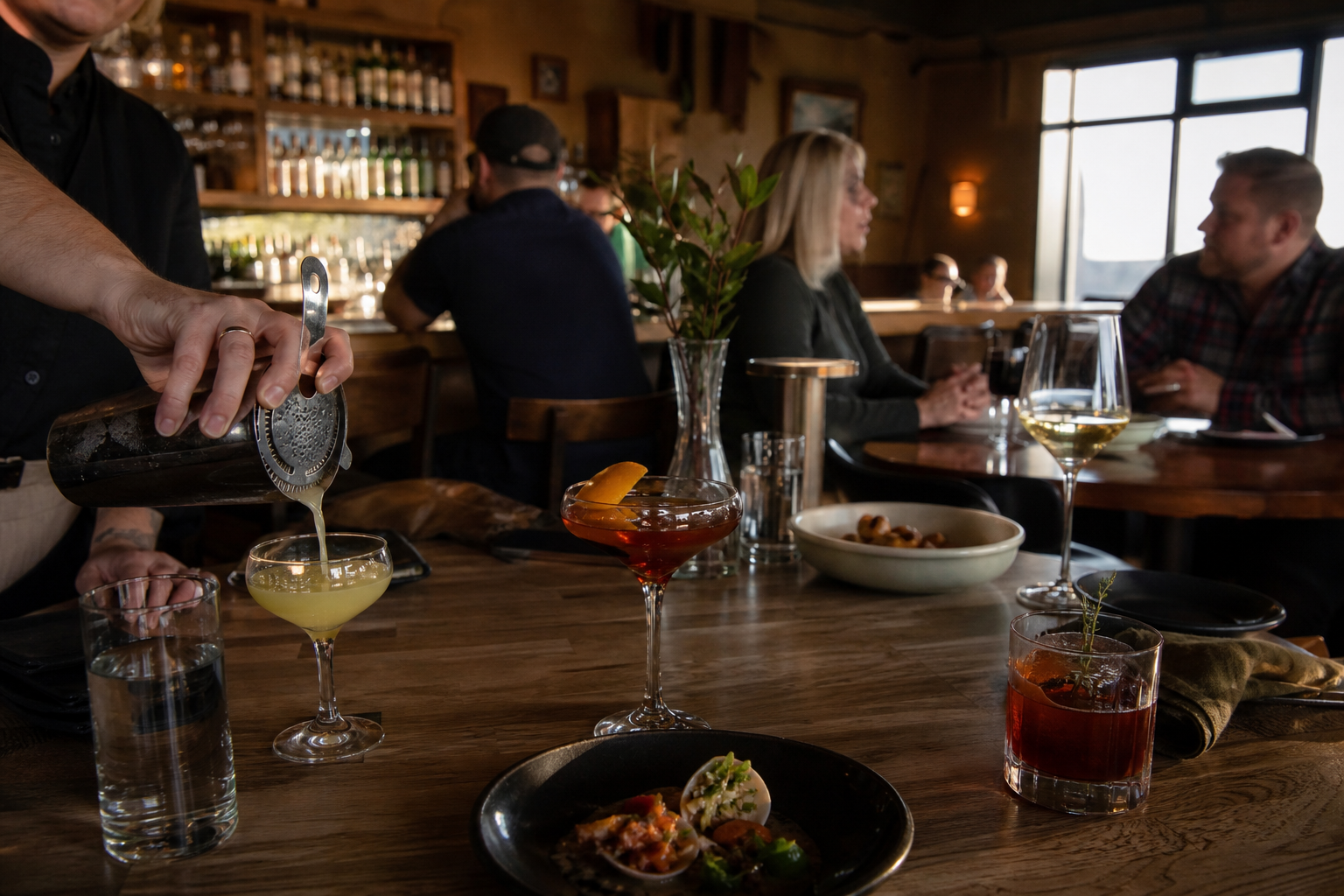
The cocktail program, which was already operating at the highest level in Duluth, has continued to refine itself. The Negroni variation that was the bar's signature drink on the first visit has been adjusted slightly — the bitter has been pushed further with the addition of a second amaro alongside the original Italian aperitivo, and the rye base has been changed to a Wisconsin distillery's barrel-aged rye that the bar imports in case quantities. The resulting drink is more complex than the original version without losing the structural balance that made the original successful. The bar staff was willing to walk a guest through the evolution of the recipe in some detail when asked, which is the kind of behind-the-scenes engagement that distinguishes a bar that thinks of itself as having an ongoing creative practice from one that operates from a fixed menu.
The new house cocktails for the summer menu include a long-format drink built on a Minnesota-distilled aquavit, a house-made elderflower cordial, and house-charged soda; a stirred drink built on a Japanese whisky and a barrel-aged amaro; and a shaken sour built on a Wisconsin gin and a house-made stone-fruit syrup that uses early-summer cherries preserved during the spring. Each of the new drinks is structurally complete and reflects the bar's continued willingness to push its program into ingredients and combinations that less serious bars would not attempt.
The Tier 3 Rating and What It Confirms
The Four Loons rubric awards Vermilion Cocktail Lounge a Tier 3 loon designation on this revisit. The food score has moved up to 3.5 on the strength of the upgraded food program, which is sufficient to clear the Tier 3 food floor of 3.5. The cocktail score is at the top of the rubric's scale and is the highest cocktail score the publication has awarded in any visit to date. The service clears the Tier 3 service floor. The all-dimensions floor of 3.0 is cleared across every dimension. The weighted score sits well into the Tier 3 range. The fourth loon would require a food score of 4.0 or above, which is the kind of further development that the kitchen would need additional time to achieve.
What this rating confirms is that Duluth now has a bar operating at a level that puts it in the conversation with the better cocktail programs in the country. The room is the architectural argument. The cocktails are the technical argument. The expanded food program is the change that allows the rubric to recognize the operation at the appropriate tier. The Negroni variation remains the structural drink to order. The cured-fish board is the food plate that demonstrates the kitchen's new level. The aquavit-and-elderflower long drink is the summer-menu cocktail that demonstrates the bar's continued creative practice. Three loons in Duluth is a meaningful designation. Vermilion has earned it without qualification. Fictional re-review for illustration.