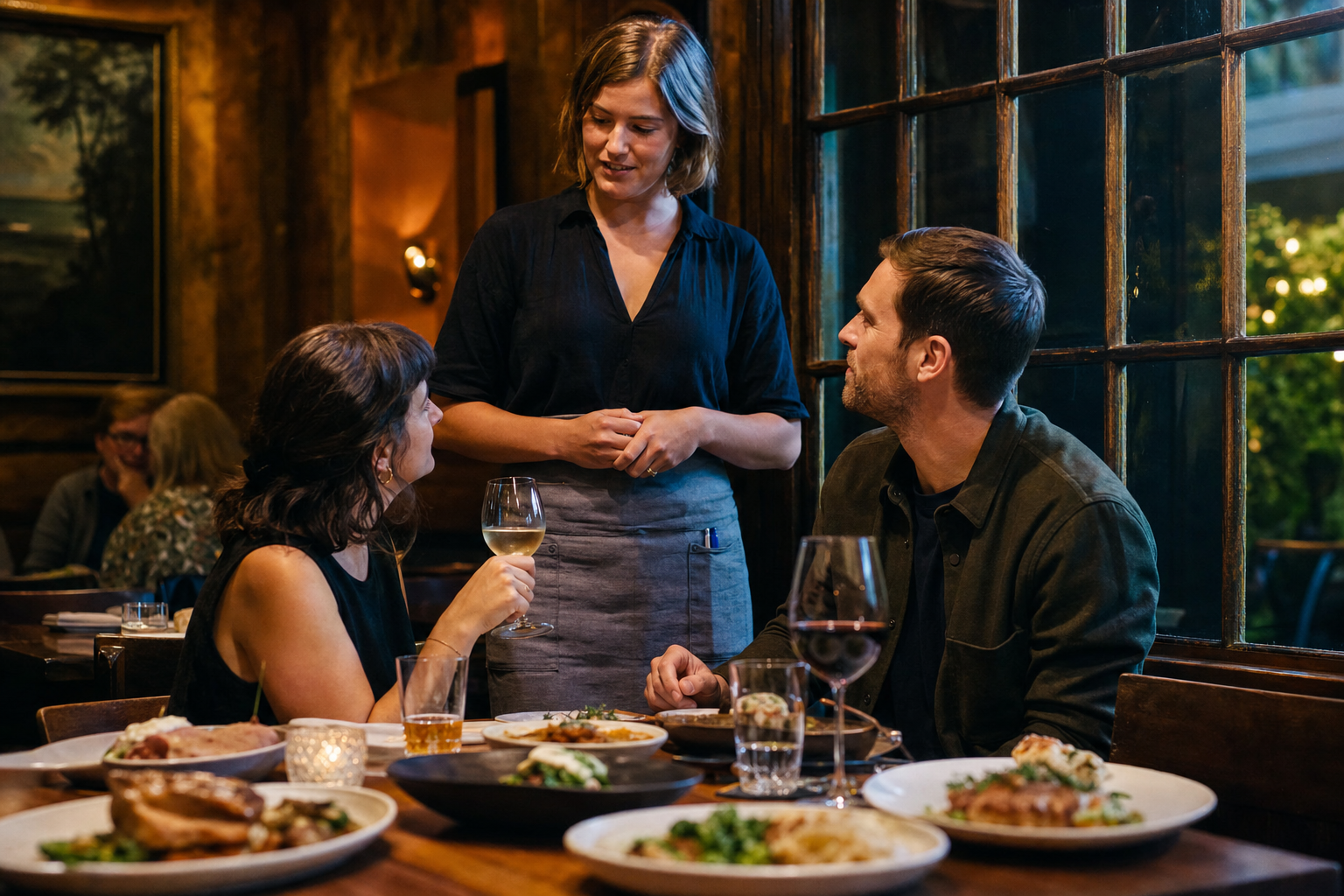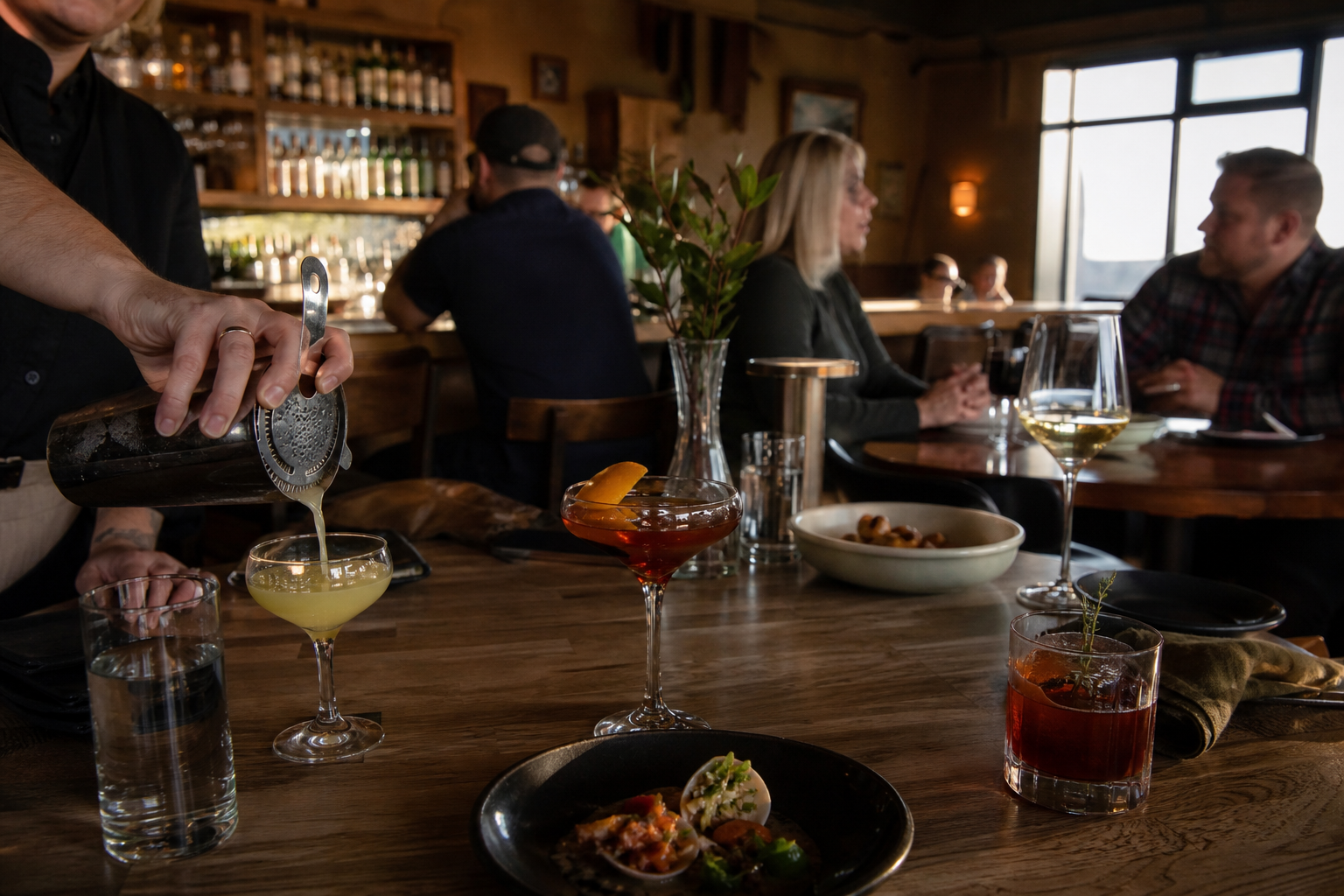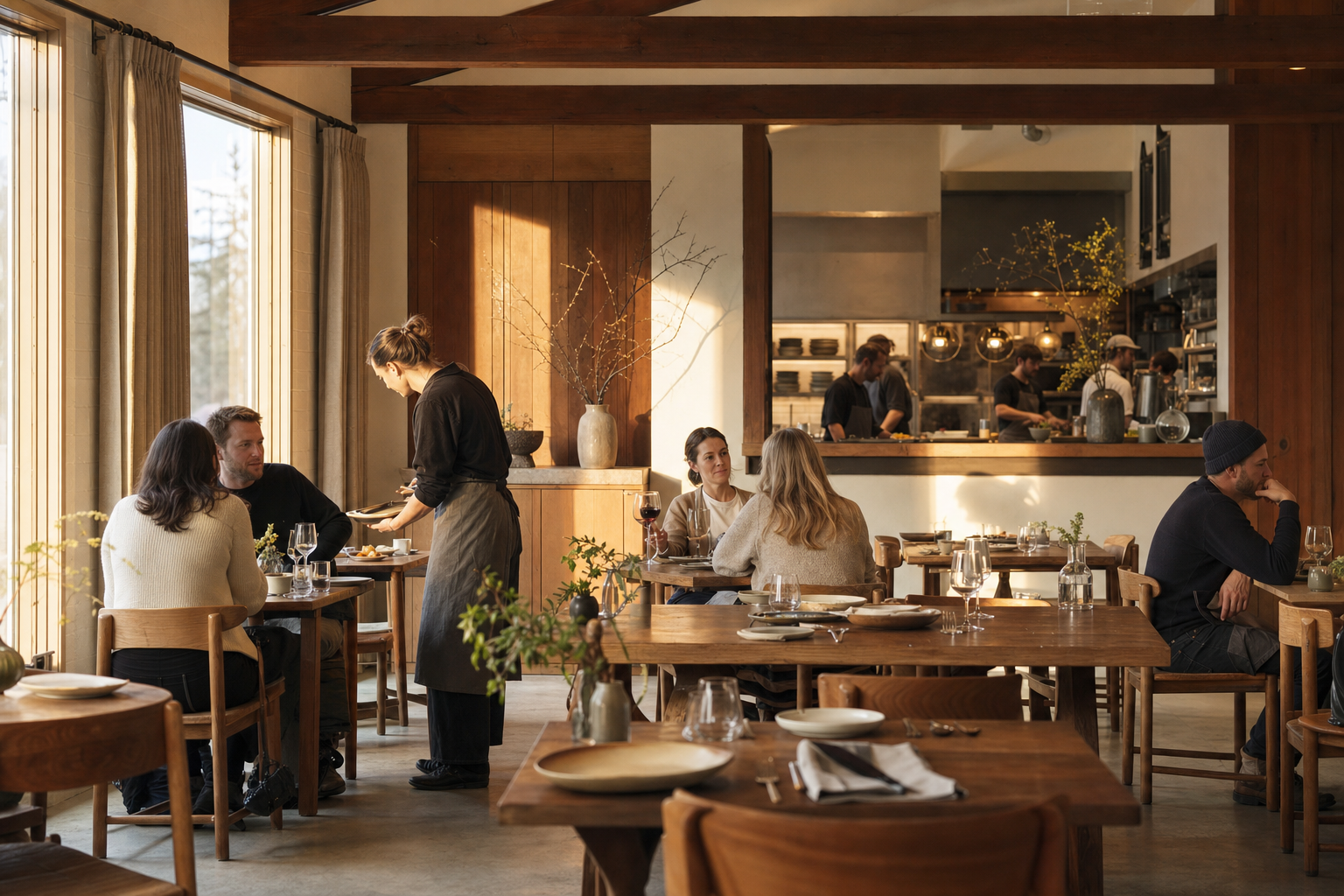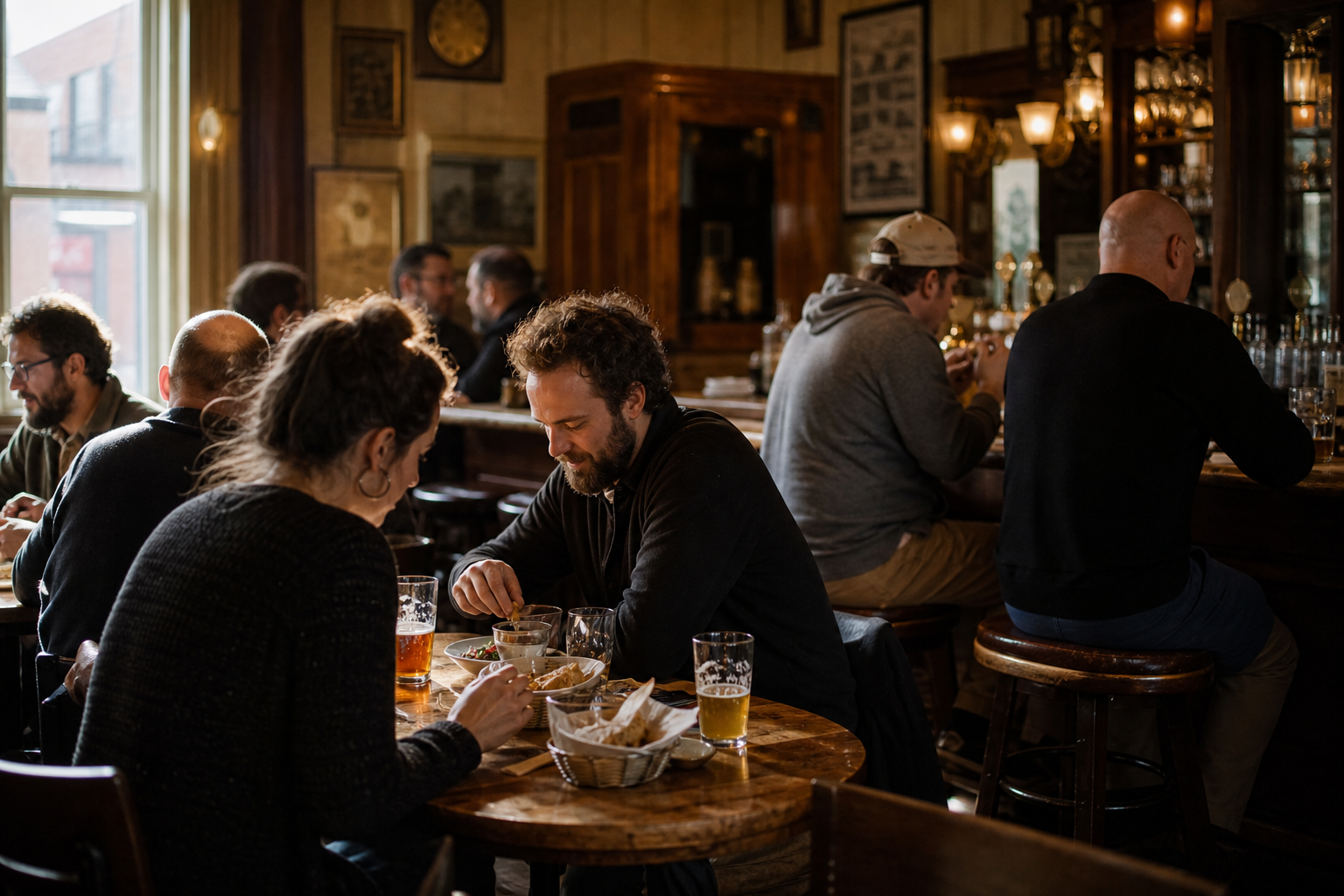
The neighborhood tavern is one of the harder restaurant categories to write about because the qualities that make it good are not the qualities that produce strong critical copy. A neighborhood tavern is supposed to be reliable, comfortable, and unsurprising. It is supposed to serve a decent burger at a fair price, pour a cold beer, and let the regulars sit at the bar for as long as they want without anyone hurrying them along. None of this generates the kind of detail-rich plate-by-plate analysis that defines restaurant criticism. And yet the absence of a healthy neighborhood-tavern infrastructure in a city is one of the most damaging things that can happen to that city's daily life, and the presence of a good neighborhood tavern on a block is one of the most underrated forms of urban infrastructure. Bluebird Tavern, on a corner of South Minneapolis that did not have a serious tavern for the last fifteen years and has needed one for that entire period, has arrived at the form correctly and is doing the work that the form requires.
The corner is on a residential block six blocks east of Lyndale, in a part of South Minneapolis that has been quietly densifying for the past decade without producing many corresponding additions to its commercial infrastructure. The block has a coffee shop that closes at three, a hardware store that closes at six, a Vietnamese restaurant that has been operating since the 1990s, and Bluebird Tavern. The tavern occupies a converted single-story commercial building that has been at various points in its history a barber shop, a dry cleaner, and a record store. The current configuration includes a bar running the length of the south wall with about a dozen stools, a dining area with eight tables along the opposite wall, and a small patio that holds maybe twenty people at full capacity during the season when the patio is usable.
The Burger and the Tap List
The burger is the structural test of any neighborhood tavern, and Bluebird's is correctly executed without being interesting in the way that current restaurant-world burgers are interesting. The patty is a quarter-pound of seventy-percent-lean ground beef from a Wright County producer, formed loose and pressed only at the moment of cooking, seared on a flat-top with a generous amount of salt and pepper, served on a brioche bun that is toasted on the cooking surface. The toppings are American cheese, butter lettuce, a thin slice of tomato, a pickle slice, and a house-made special sauce that is mostly mayonnaise and ketchup with some sweet relish and a single drop of hot sauce. The burger is not trying to be a smash burger or a steakhouse burger or a fast-food burger. It is the burger that an honest neighborhood tavern serves at a price that reflects what it actually costs to make. The price is fifteen dollars with fries.
The tap list is the second test. Bluebird runs twelve taps, with the composition roughly stable across the year: three local craft lagers, two local IPAs, a stout, a wheat beer, a Belgian-style ale, a cider, and three rotating slots that change every couple of weeks based on what the bar manager has been drinking lately. Two of the slots — the Belgian and the stout — have been held by the same beers since the bar opened. The bar manager has not seen any reason to change them. This is the correct discipline for a neighborhood tap list. A guest who wants the same beer they had last time should be able to get it. A guest who wants something new should have two or three options that the bar has deliberately introduced rather than rotated indiscriminately. Bluebird has both.
The cocktail program is short and competent. A handful of stirred classics, a couple of shaken drinks, a draft cocktail that changes seasonally. The bar staff does not pretend to be a cocktail bar and does not need to. The drinks are at the level that a neighborhood tavern's cocktails should be — correctly made, fairly priced, available without the wait that a more ambitious cocktail program would require. The bar staff knows when to recommend a draft beer instead of a cocktail to a guest who is in a hurry, and this kind of operational honesty is worth more in a tavern context than a more elaborate menu would be.
The Service and the Regulars
The service is the most distinctive thing about Bluebird and the hardest to evaluate in standard restaurant-criticism terms. The bar staff remembers regulars by their orders, by their seating preferences, and by their stories. The first visit by a guest is treated with the warmth that the staff extends to everyone; the second visit is treated with the small acknowledgment that the staff has remembered the first visit. By the third or fourth visit a guest has effectively become a regular, with the bartender pouring the preferred beer without being asked and the section manager checking in on whatever life event the guest mentioned the last time they were in. This is the kind of hospitality that distinguishes a neighborhood tavern from a generic bar, and it is built through the staff's longevity. Bluebird has had very low staff turnover for the year and a half it has been open, which is the operational fact that makes the service work.
The food beyond the burger is competent without distinction. The wings are properly fried and served with a choice of three sauces; the chicken sandwich is correctly executed; the salad with grilled chicken is the kind of menu item that exists because someone in the family is going to order it. None of these items is the reason to come. The burger is the reason to come, or the beer, or the bar conversation, or simply the fact of having a comfortable place on the block to spend an evening. The food score reflects the menu's competence rather than its ambition, and that is the correct register.
What the Loon Means at This Level
The one-loon rating that Bluebird Tavern earns is, in some ways, the most honest application of the Four Loons rubric. The rubric is designed to identify restaurants that meet a minimum standard of competence across the full guest experience, and Bluebird clears that standard without ambiguity. The food is honest. The drinks are good. The service is genuinely warm. The room is comfortable in both seasons. The pricing is fair. None of these things is exceptional. All of them are reliable, and reliability over time is the quality that the rubric is designed to recognize at the one-loon tier.
A neighborhood tavern is not supposed to be a destination. The metric for a neighborhood tavern is whether it makes the surrounding blocks better to live on, and Bluebird Tavern is doing that work. The block has more reason to exist in the evening than it did before the tavern opened. The Vietnamese restaurant has slightly better evening traffic because some of Bluebird's bar guests walk over for dinner before settling in for the evening. The coffee shop has more morning traffic because some of the tavern's regulars stop in on their way somewhere. This is the kind of mutual reinforcement that good neighborhood infrastructure produces, and Bluebird is the structural piece that the block had been waiting for. The patio in July is full at five. The bar in January is warm at nine. The burger costs what it should cost. The loon is earned. Fictional for illustration.