Como Quarter Wine Bar occupies a narrow storefront on a Saint Paul block about a quarter mile southeast of the Como Park Conservatory, in a neighborhood that has not historically been a destination for serious wine and that has not previously had a wine bar of any ambition. The address is the first thing worth noting because most American natural-wine bars cluster in the parts of cities where their audience already exists — in Saint Paul that would be Cathedral Hill, Grand Avenue, or the Lowertown blocks around the Farmers Market — and the decision to open in a less obvious neighborhood is a meaningful operational signal. Como Quarter is betting that a serious wine program, executed with care, can build its own audience rather than depending on being placed where the audience already is. The early evidence suggests the bet is paying off.
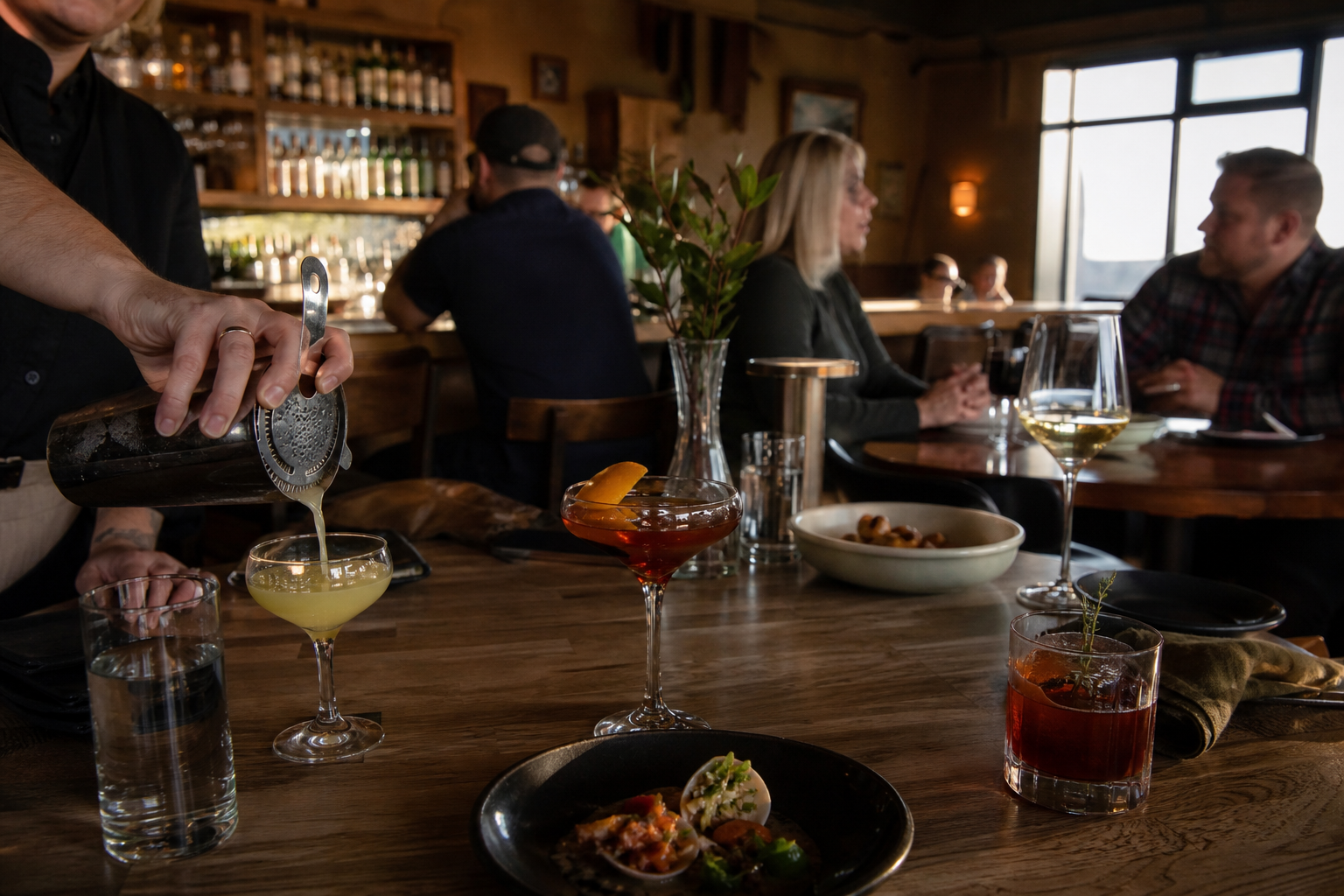
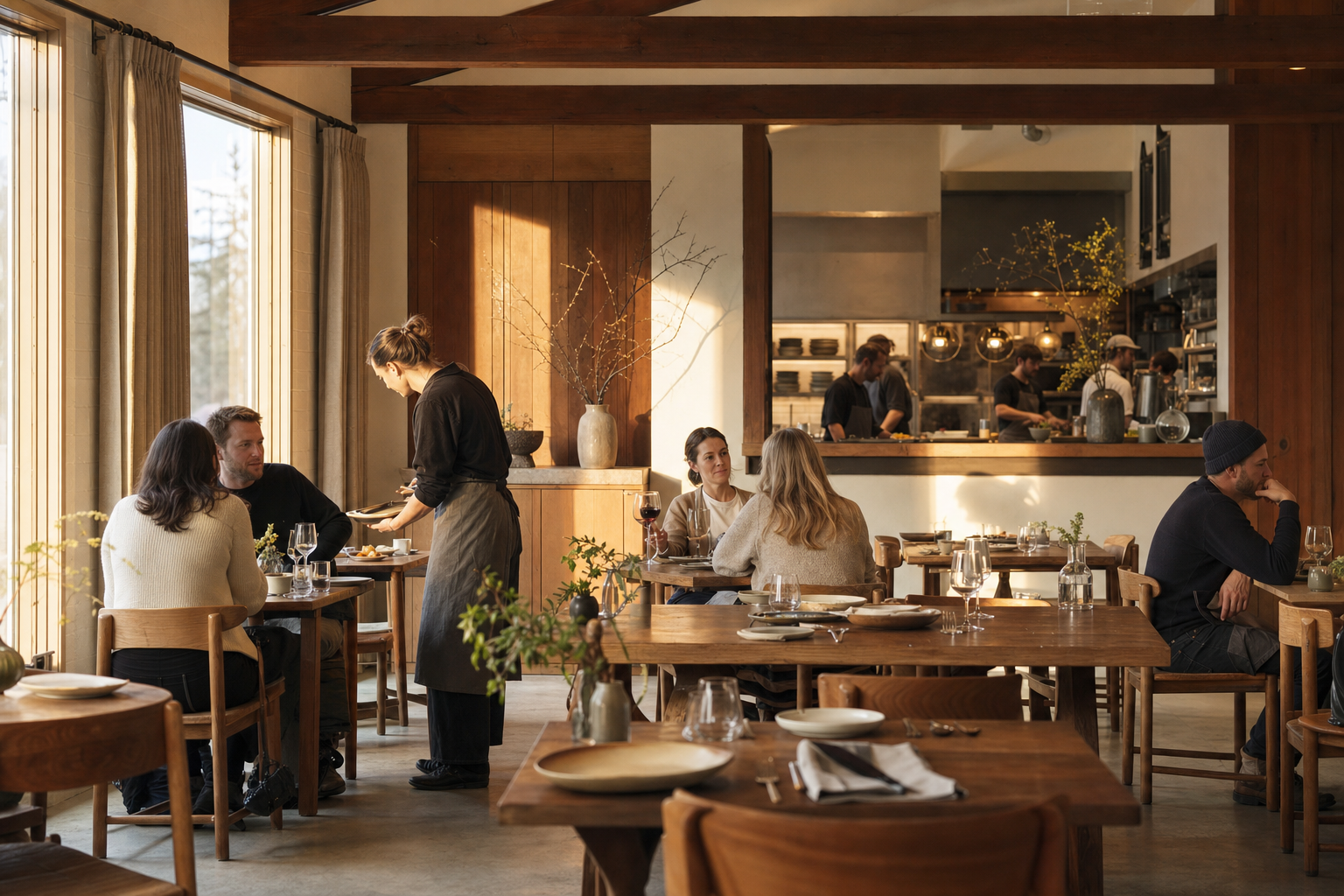
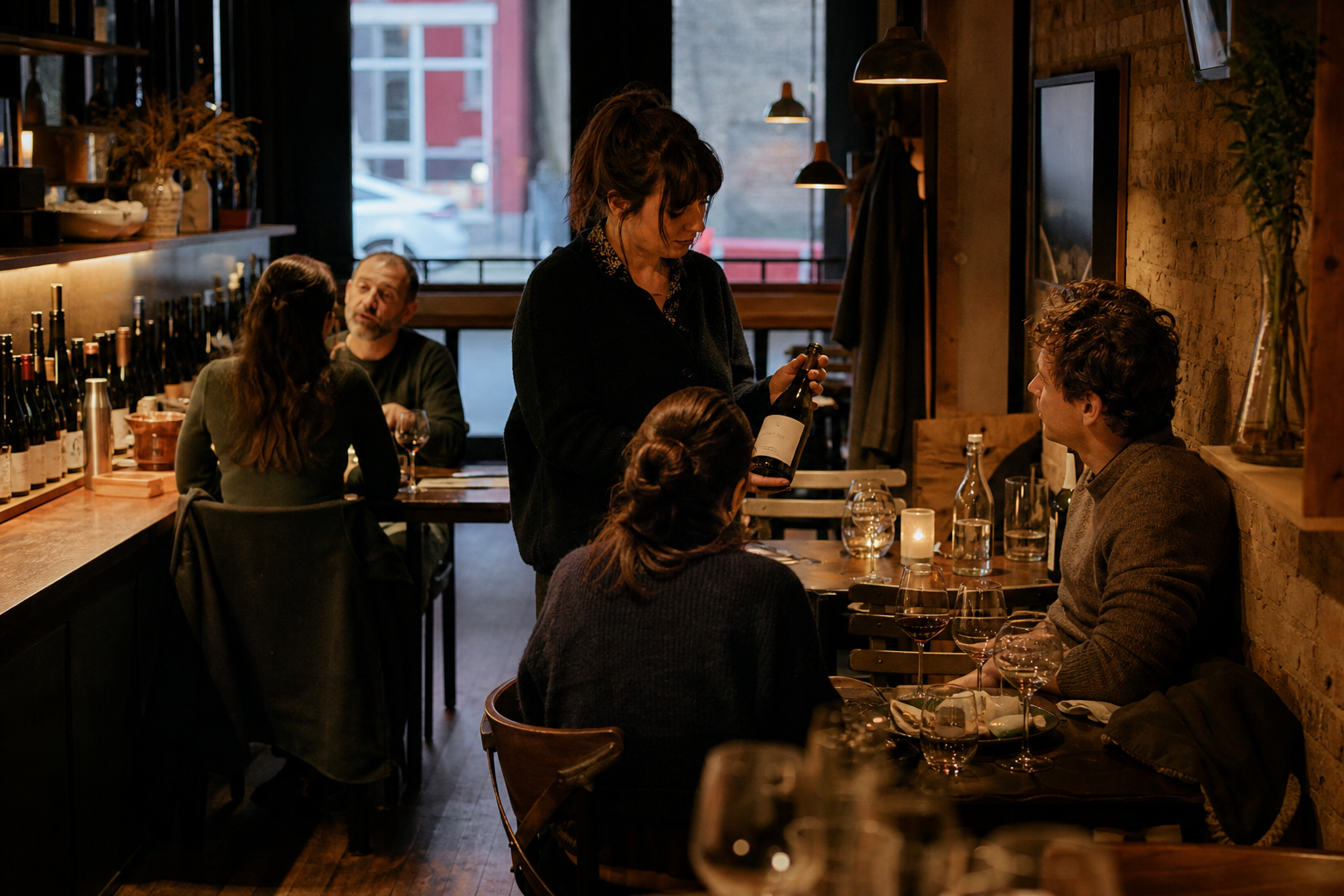
The room is small. The bar runs the length of the south wall with about ten stools, and the seating area against the opposite wall holds maybe twenty people at six small tables. The lighting is low without being theatrical. The wine refrigeration is visible behind the bar, organized in a way that suggests the staff actually uses the refrigeration as a working tool rather than as display, with bottles cycling in and out as guests order them. The list is printed on a single double-sided sheet that the staff brings to the table on a clipboard. The list is updated daily based on what has come in, what has run out, and what the bar has decided to feature that evening. This is the operational rhythm of a serious wine program rather than a wine list maintained as a quarterly publication.
The List and Its Organization
The natural-wine list at Como Quarter is the most carefully organized list of its kind in Saint Paul and is competitive with the better Minneapolis lists. The bar's approach to organization is the most useful innovation: rather than the standard region-and-grape sorting that most wine lists use, Como Quarter organizes its list by what the bar calls drinking occasion — bottles for slow conversations, bottles for paired food, bottles for hot afternoons, bottles for cold evenings — with the region and producer information present as supporting detail rather than as the primary axis. This is the kind of organizational decision that signals a bar staff that thinks about what guests are actually trying to do with the wine rather than how the wine is supposed to be categorized.
The list runs to about sixty bottles across the four categories, with a particular strength in the orange-wine and skin-contact-white sections. The orange-wine selection includes a Friuli producer that the bar imports through a small Twin Cities importer, a Slovenian producer that has been on the list since opening, and a domestic example from a Northern California producer that is working in the same idiom. The skin-contact Riesling on the list — a German producer from the Mosel, working with extended maceration that is not the standard for the region — is the most interesting bottle the bar is currently pouring, and the bar staff will recommend it without being asked when it senses that a guest is interested in the more experimental edge of the program.
The pét-nat section is the bar's most playful area. Six bottles at any given time, with a rotation that reflects what is in season and what is showing well. The bar staff can describe which importer brought each bottle in, why that importer was chosen, and what the bar has learned about the producer's typical style over the time the bar has been carrying it. This is the kind of provenance knowledge that distinguishes a serious natural-wine program from a fashionable one, and it is something that requires both staff longevity and a working relationship with the importers that delivers actual information back to the bar rather than just bottles.
The Food Program
The food at Como Quarter is the operational limitation. The kitchen is a small service galley capable of producing cold preparations and a few simple warm items. The board program — a cured-fish board, a cheese board, a charcuterie board, a roasted-vegetable board — is the strongest part of the menu, with the cured-fish board the standout. The board includes a house-cured trout from a Wisconsin producer, a smoked whitefish dip made on-site, a pickled herring preparation that uses a Riesling-and-mustard brine, and a small portion of cured roe with crème fraîche. The board is served with crackers baked at a Twin Cities bakery and a small selection of pickled vegetables. The board is well-assembled, the fish is treated with care, and the board complements the wine program in the way that a wine bar's food should.
The warm small plates are less successful. A roasted-vegetable preparation with brown butter and toasted seeds is the strongest warm item but is inconsistently executed across visits; a sausage-and-bean preparation that the bar has on the menu in colder months is competent without distinction. The food score reflects this unevenness. The food is not the reason to come and the bar does not pretend it is. The bar would benefit from either expanding the kitchen's capability or further compressing the warm-plate menu to focus on the items that the kitchen can execute consistently, and the current configuration falls in between.
The Service and the Atmosphere
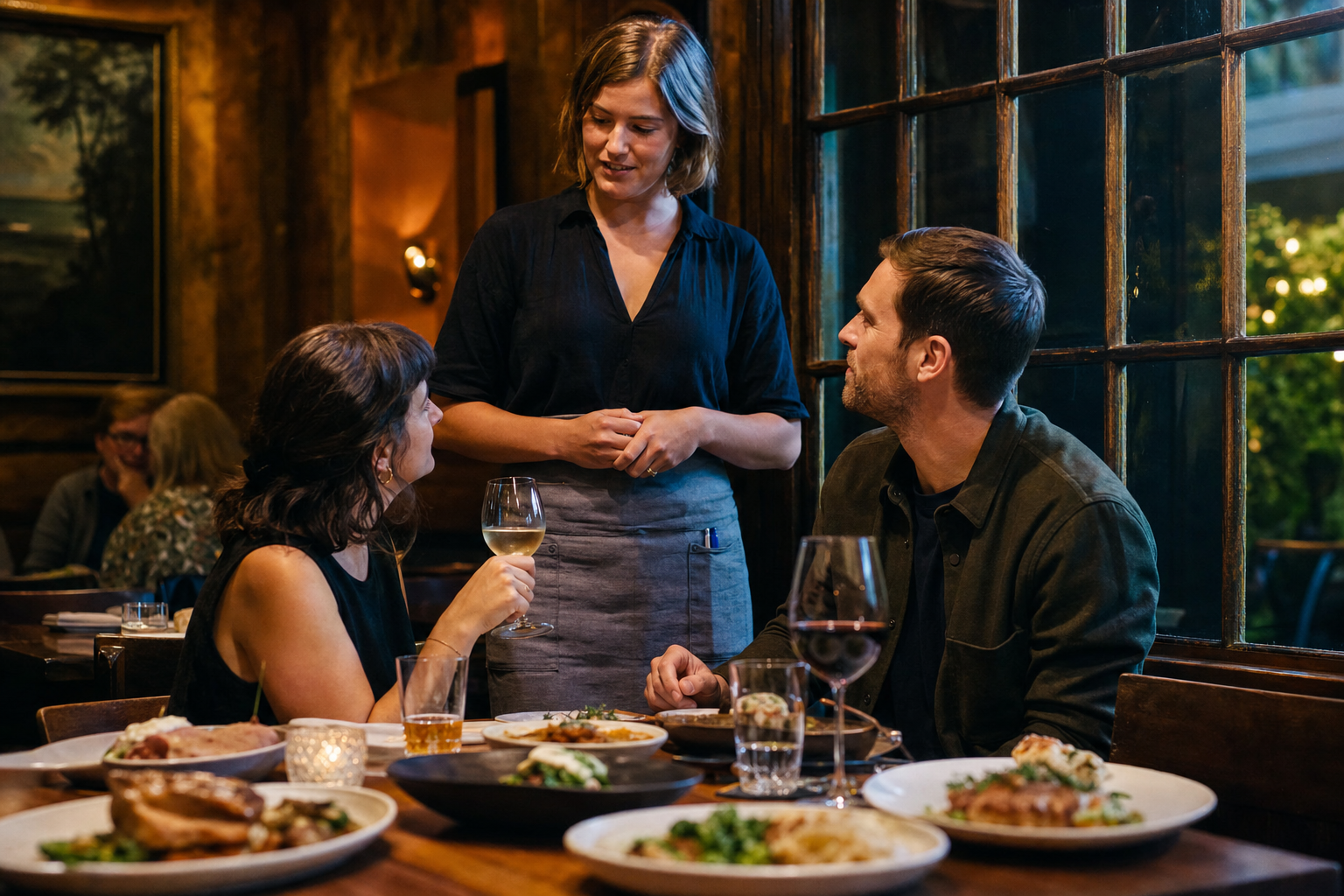
The service is the most distinctive aspect of the bar after the wine list. The bar staff includes someone who is referred to as the sommelier — the word is appropriate even for a room this small because the staff's wine knowledge and willingness to develop relationships with guests over multiple visits is at the level the word implies — and a small number of supporting staff who are also clearly knowledgeable about the wine program. The recommendations are offered in a register that does not feel like an audition. A guest who knows what they want is taken at their word. A guest who is uncertain is offered three or four directions without being talked into any of them. A guest who has been to the bar before is greeted with the small acknowledgment that the staff has remembered them. This is the hospitality that makes a wine bar worth returning to.
The atmosphere is calibrated for the form. The sound level on a Friday evening at nine is conversational at the bar and at the tables, with the music low enough that the wine conversations carry. The bar fills up around eight and stays full until close. The Como Park area's evening pedestrian traffic provides some additional walk-in business that a bar in this category benefits from, with the Conservatory's evening events sometimes producing small spikes in traffic that the bar handles without strain. The room is the kind that a guest wants to stay in for the second and third pour, and the wine list is organized to make that progression interesting rather than repetitive.
The Rating and What It Reflects
The Four Loons rubric requires a minimum food score for any loon designation, and Como Quarter's food score falls below that threshold. The rating is therefore sub-loon, with a strong recommendation for the wine program. This is the correct rubric outcome. A guest visiting Como Quarter for the wine and the small-plate food that complements the wine will be among the most satisfied wine-bar guests in Saint Paul; a guest visiting expecting a multi-dimensional restaurant experience will find that the food does not meet the threshold the rubric requires.
The bar is the strongest natural-wine program in Saint Paul and one of the more interesting in the metro. The list is the argument, the staff is the supporting evidence, and the address is the bet — that a serious wine program in a less obvious neighborhood can build its own audience by being demonstrably good. The bet is being justified. The skin-contact Riesling is the bottle to order. The cured-fish board is the food to order with it. The conversation is the form. Fictional for illustration.