The izakaya is one of the most difficult forms to translate across cultures because the original is not really a restaurant. It is a category of social practice — the place where one drinks beer or sake or shochu after work, where the food's primary function is to extend the drinking session rather than to be the event itself, where the menu is structured around small plates that arrive in waves rather than a fixed progression of courses. American izakayas have generally translated either the food or the social practice but rarely both, and the ones that have attempted both have often produced something that reads as cosplay rather than translation. Eastside Izakaya, which opened last year in a converted warehouse on a Central Avenue block in Northeast Minneapolis, has done the harder thing. It has built a room and a menu that translate both the food and the practice, and it has done so by being specific about what Minnesota actually has to bring to the form.
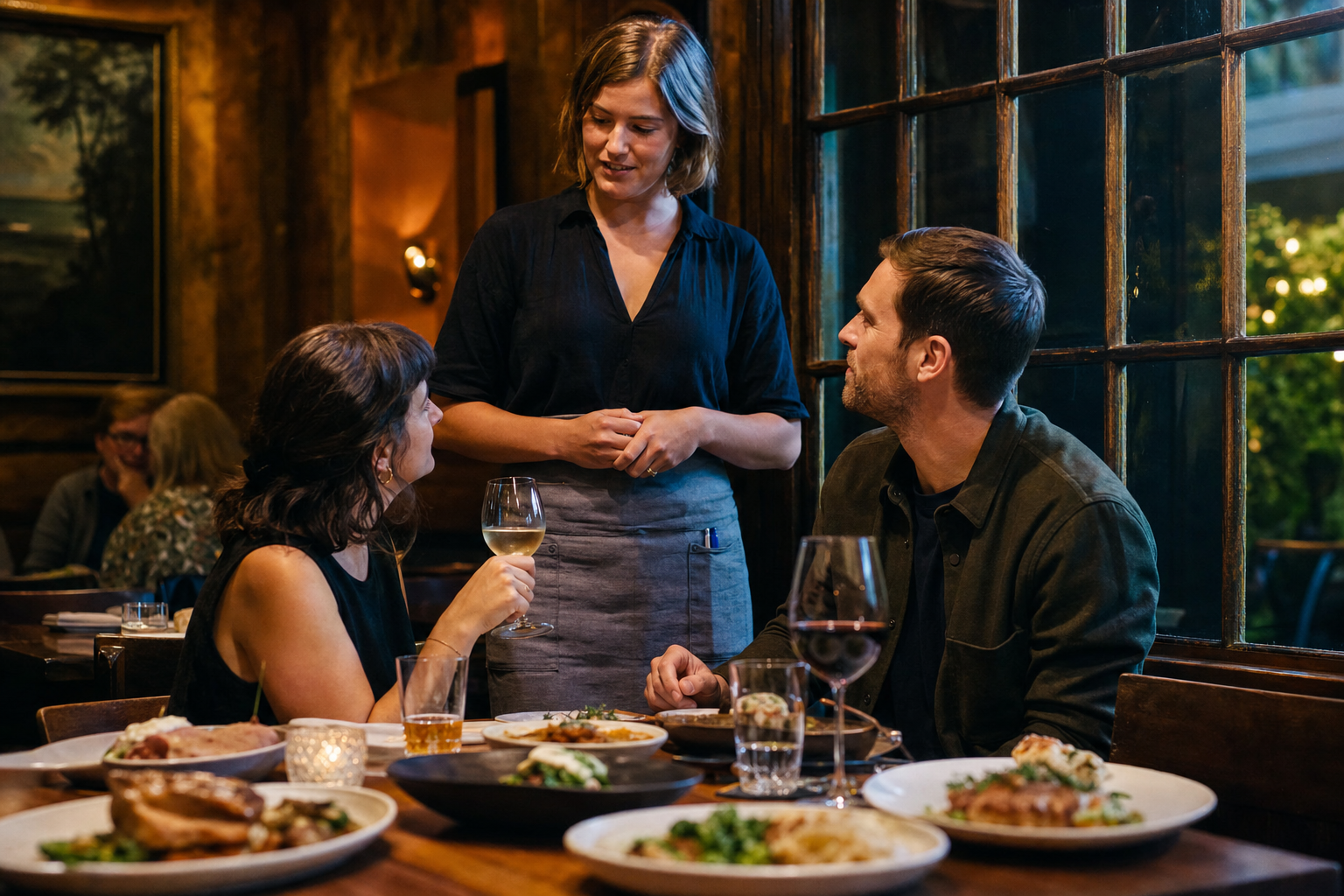
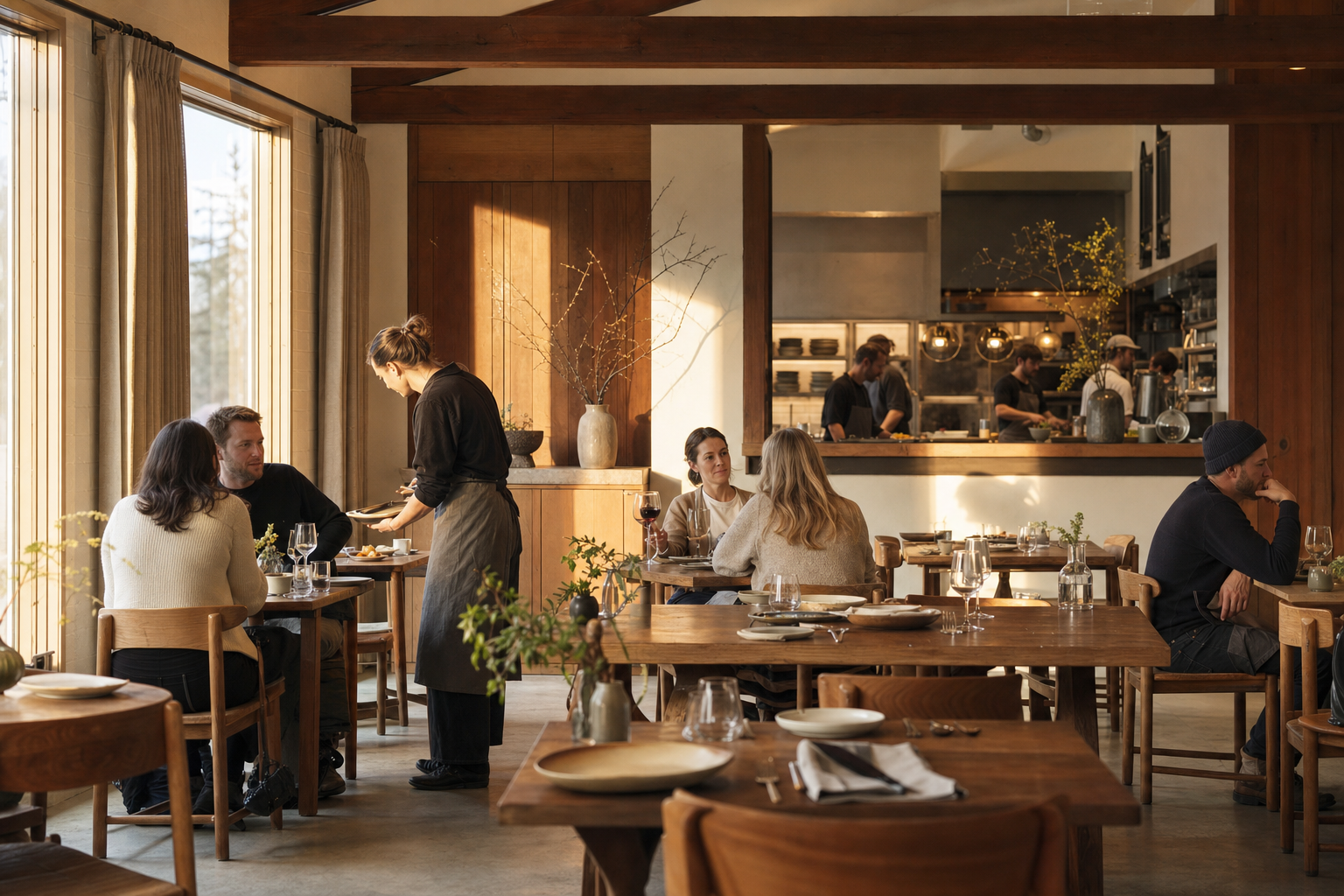
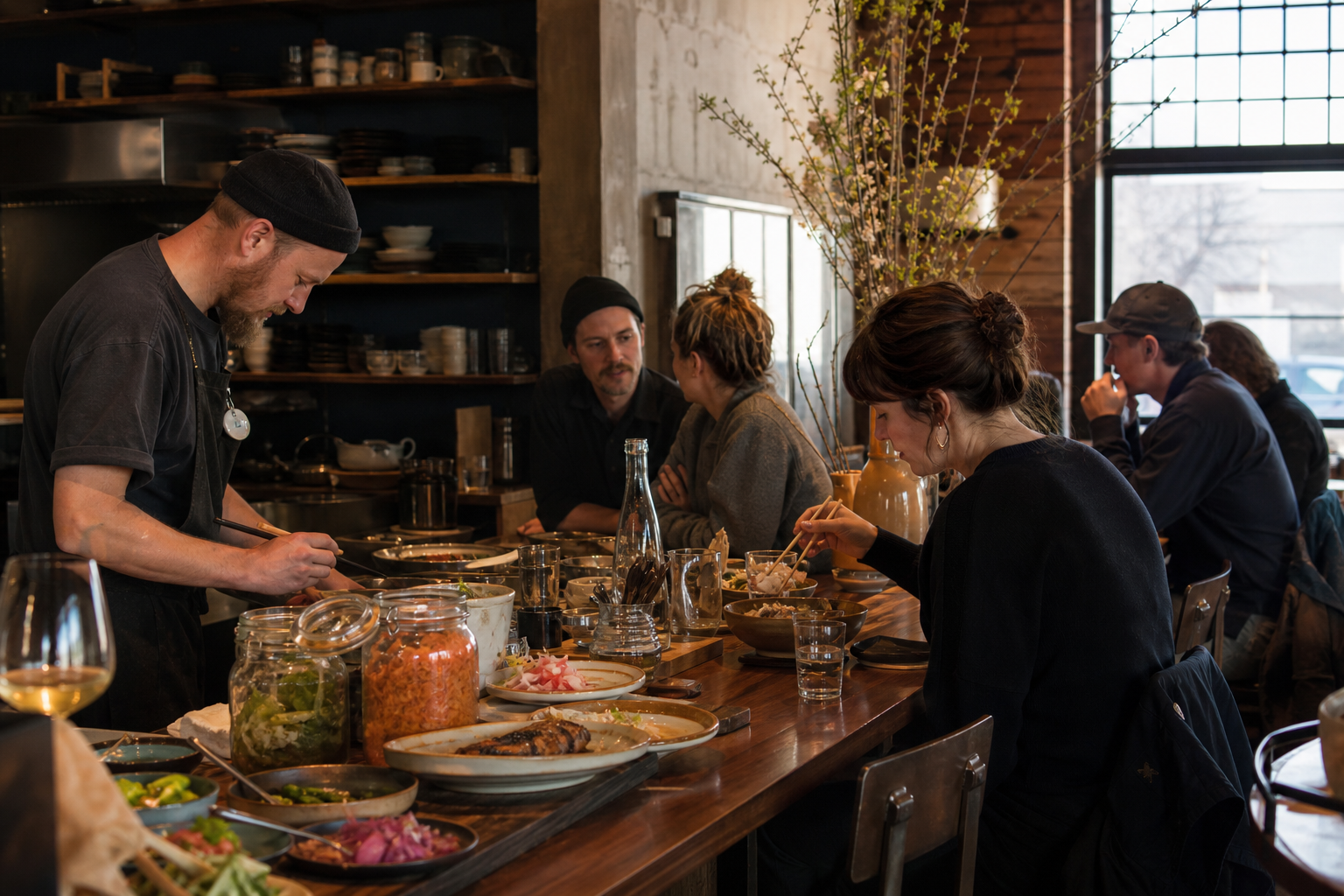
The room is the first signal. The bar runs the length of the long wall with twelve seats facing it, and the kitchen is open behind the bar in a configuration that lets guests see most of the work happening over the grill. The dining tables — eight of them, seating two to four — are positioned along the opposite wall in a way that creates a clear traffic pattern between the door and the bar without putting any table in the middle of that pattern. The lighting is low and warm. The sound level is calibrated for conversation between two people sitting at the bar rather than for projection across a dining room. This is the architecture of an izakaya, not the architecture of an American restaurant trying to look like one.
The Translation Problem, Solved Specifically
The menu is organized in the izakaya structure — small plates from the grill, small plates from the cold side, a few larger plates, a rice-or-noodle finish — but the ingredients are local in a way that distinguishes Eastside from other American izakayas. The bison skewers, sourced from a North Dakota herd with cuts processed at a Minneapolis facility, are the strongest item on the grill menu. The bison is seasoned with a salt-and-pepper rub and grilled over binchotan-style charcoal that the kitchen imports from a domestic supplier, and the resulting char on the outside of the cubes carries the protein's particular sweetness forward without overcooking the interior. The skewers arrive at the table four to a portion, hot, with a small portion of the kitchen's house-fermented chili paste on the side.
The walleye karaage is the menu's most surprising translation. Karaage is normally chicken, and walleye is normally pan-fried in the Minnesota tradition. The fusion here is not arbitrary. Walleye flakes well when fried hot and holds the karaage marinade — soy, ginger, garlic, sake — without absorbing it past the point of overwhelming the fish's own character. The result is a fried-fish preparation that reads as karaage in texture and seasoning and reads as walleye in the underlying flavor. The plate is served with a yuzu-and-koji aioli that is made in the kitchen using a koji that has been built on local wild rice rather than the standard short-grain rice. This is the kind of substitution that could read as gimmicky and instead reads as a substantive decision about what an Upper Midwest izakaya should be doing differently from an East Coast or West Coast one.
The fermented program is the kitchen's most ambitious area. Eastside makes its own miso from local soybeans (with some experimental batches using local pulses), its own wild-rice koji, its own lacto-fermented ramps in spring, and its own pickled root vegetables in autumn and winter. The ferments appear across the menu as supporting elements rather than as featured ingredients, which is the correct way to use them — a brushstroke of lacto-fermented ramp paste on a grilled chicken thigh, a small portion of fermented black beans in the tare sauce on the bison skewers, a teaspoon of miso glaze on the eggplant. The kitchen is not asking the guest to think about the ferments. It is using them to give the menu's flavors a depth that an American kitchen working without these tools cannot reproduce.
The Drinks Are Good, Not Adequate
The drinks program at Eastside is the difference between a serious izakaya and a competent one. Most American izakayas treat the drinks as a parallel commitment to the food but execute on the drinks at a lower level — a sake list that is decent but not curated, a beer list that defaults to Japanese imports, a cocktail program that adds shochu to standard cocktails and calls it a fusion. Eastside has done better than this. The sake list is short — fourteen labels — and each one has been chosen with apparent care. The by-the-glass options rotate seasonally and include a range across the major styles, with a particular strength in the junmai-and-junmai-ginjo category. The bar staff can describe each sake's region, brewery, and rice-polishing percentage without sounding like they are reciting from a tasting note.
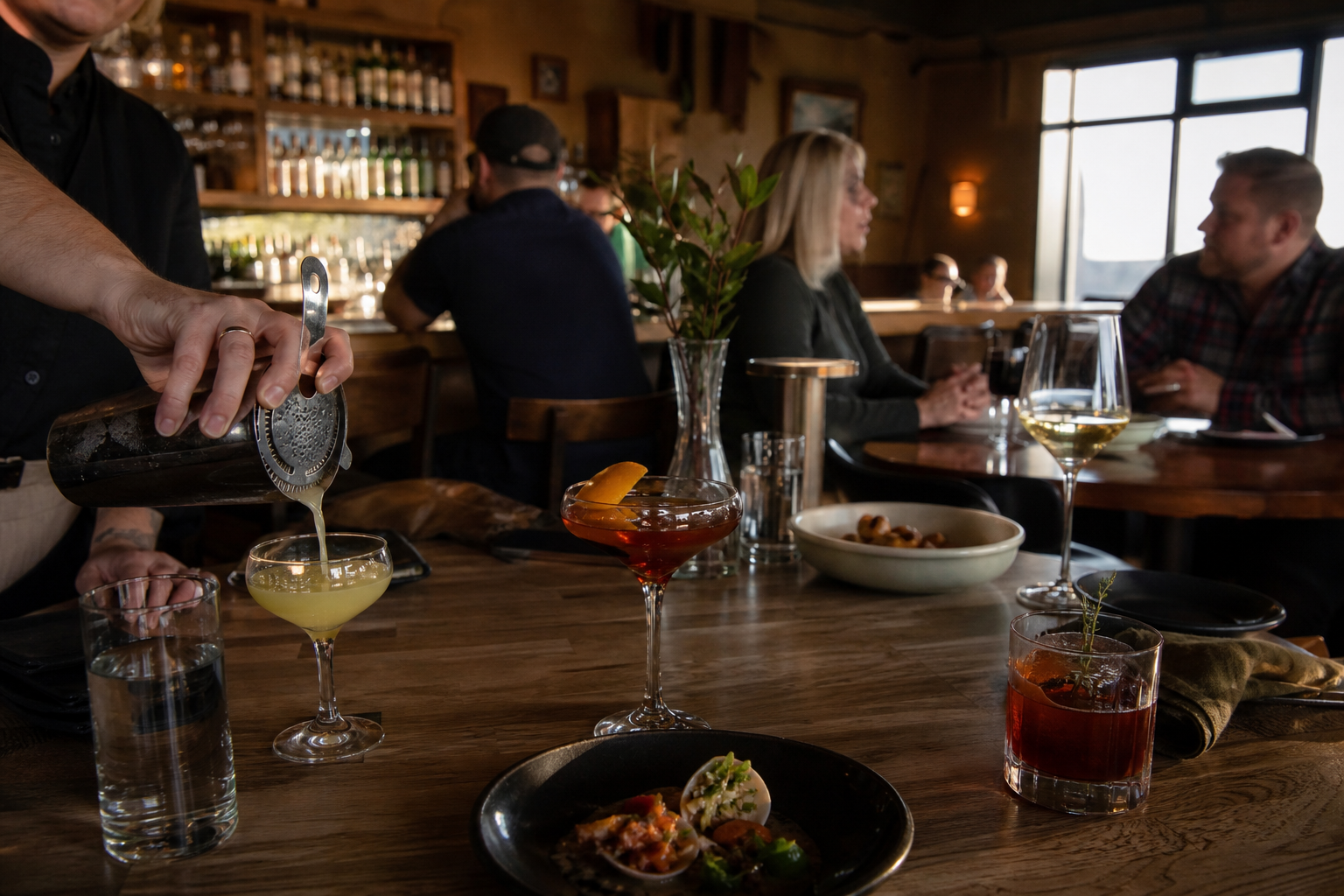
The cocktail program is the most interesting in any izakaya in Minneapolis. The drinks are organized around shochu and Japanese whisky, with a smaller selection of cocktails built on local distillates. A shochu highball with a house-made yuzu cordial is the bar's signature, and it is the kind of drink that demonstrates what the form is capable of when executed with care: the shochu carries a faint sweet-potato note, the yuzu is bright but not aggressive, the soda is house-charged at higher pressure than the standard commercial soda for a more present mouthfeel. The drink eats as a complete proposition in the way that a Negroni or a Manhattan can.
The beer list is short and well-chosen, with a small selection of Japanese imports including a draft Sapporo that is poured at the correct temperature and a few local craft options that work with the food. The wine list is the program's weakest area — eight bottles, mostly defaults — but this is not the room's argument.
The Northeast Minneapolis Context
The Central Avenue corridor that Eastside occupies has historically been the Italian and Polish district of Northeast Minneapolis, with the last several decades adding Vietnamese, Mexican, and East African food cultures. The arrival of a serious izakaya on this block is a different kind of addition — not a community restaurant for a local immigrant population but a translation project for a form that does not have a built-in Northeast Minneapolis audience. The room was three-quarters full on a Tuesday evening at eight, with a guest mix that suggested the audience is being built from the broader Twin Cities food scene rather than from the immediate neighborhood. This is the kind of demand pattern that takes time to stabilize, and Eastside has been open long enough to suggest the demand will hold.
The rating reflects the kitchen's accomplishment, the bar's depth, the service's competence, and the room's correctness for its form. Eastside Izakaya is doing serious work in a form that resists being done well, and it has done so by being specific about what Minnesota brings to the conversation rather than treating the form as something to be imported intact. The bison skewers, the walleye karaage, the fermented program, and the shochu highball are the strongest individual arguments. The room is the structural argument. The trajectory is upward. Fictional for illustration.