Selby Avenue between Western and Dale has spent a decade in slow renovation, the kind that the surrounding blocks register without ever quite naming. A wine shop took over the corner pharmacy. The hardware store gave way to a stationery store that also sells coffee. The block has been moving toward a particular kind of evening density without any of the businesses on it acting like the lead. Selby Social, occupying the former dry cleaner two doors down from the cathedral side of the block, opened in late winter and has been figuring out where to position itself within that careful, unannounced shift. The room reads as deliberate from the doorway. There is no host stand. There is no menu posted in the window. The lighting is low without theatricality. A neighborhood bar in the literal sense, located on a block that did not previously have one and was not loudly asking for one.
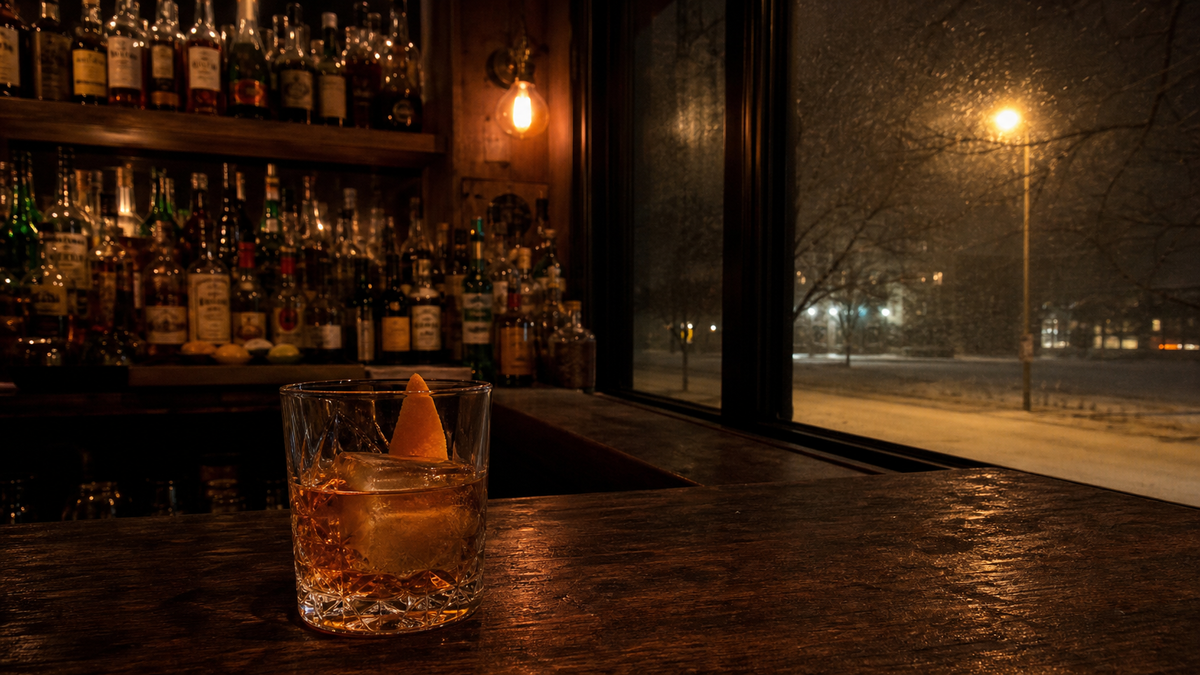
The bar runs the length of the south wall and is the only meaningful piece of furniture in the room. Stools along it, a few small tables against the opposite wall, and that is the architecture. The back bar is short and visible, which means the bar staff cannot hide behind it. The amari shelf is the most populated section: a working collection of Italian and Alpine bottles, three things from a Minneapolis distillery that have not yet shown up in many other rooms in town, and a Pernod-style spirit from a Wisconsin producer that is more interesting than its label suggests. There is no mezcal section. There is no twenty-bottle whiskey wall. The selection is composed for what the bar actually serves rather than for what guests might theoretically want.
The List as an Argument
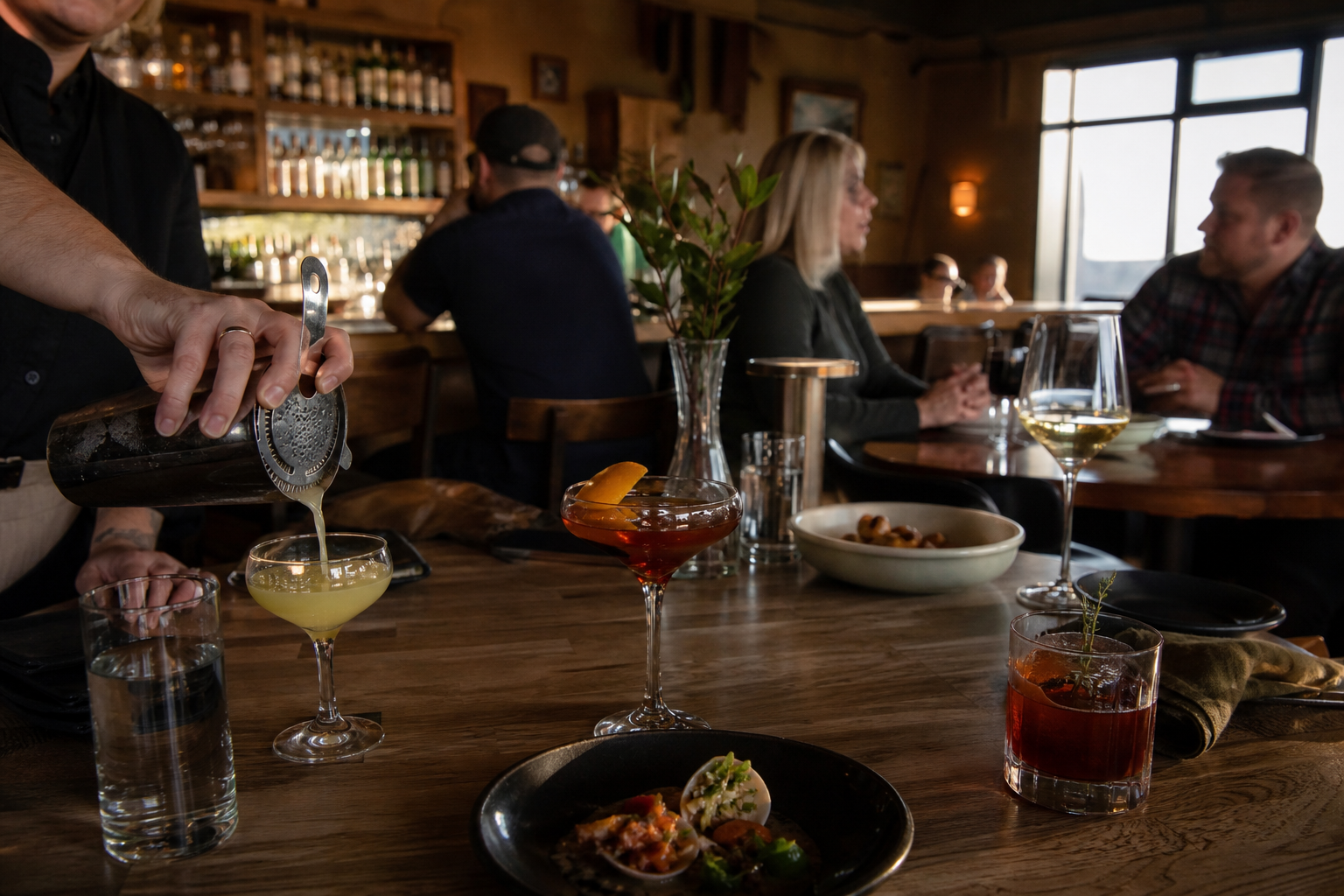
The cocktail menu lists seven drinks. Three are stirred classics — a Negroni, a Manhattan, and a Boulevardier — built from the amari shelf and a small selection of vermouths kept refrigerated and rotated more often than most bars rotate vermouth. Two are seasonal Negroni variations: at the visit, a fall version that swapped Campari for a darker Italian aperitivo and used a Minnesota gin in place of London dry, and a winter-leaning one that pushed the bitter side further. The remaining two are house drinks built around the local distillate. The list will turn over in late spring and again in early autumn, the staff says, and there is no permanent house drink. This is restraint as philosophy. A bar making a point of not having a signature cocktail is making a particular kind of argument about what its hospitality is for.
The Negroni variations are the right place to test the program. The fall version, built on a Minneapolis-distilled gin with a more juniper-restrained, sage-forward botanical profile, an aperitivo from a Modena producer, and a sweet vermouth carrying a faint resinous edge, was correctly proportioned and stirred long enough to be properly cold without becoming watery. The bitter edge was forward but the drink resolved cleanly. This is the kind of cocktail that rewards two of, and we ordered the second one without discussion. The Manhattan, made with a rye from a Twin Cities distillery rather than a more recognizable national brand, was a quieter accomplishment: a drink that did not announce its local-spirits commitment but earned the choice in the glass.
The bar food is appropriate for what a bar of this size should attempt. A short list of cheese and meat plates, an olive selection from a Saint Paul importer, a few warm small plates that do not require a kitchen larger than a service galley. Nothing on the list is the reason to come, and the staff makes no pretense otherwise. The food's job is to keep guests at the bar for an extra round. It does that without insisting on its own importance, which is the correct register.
The Room and Its Block
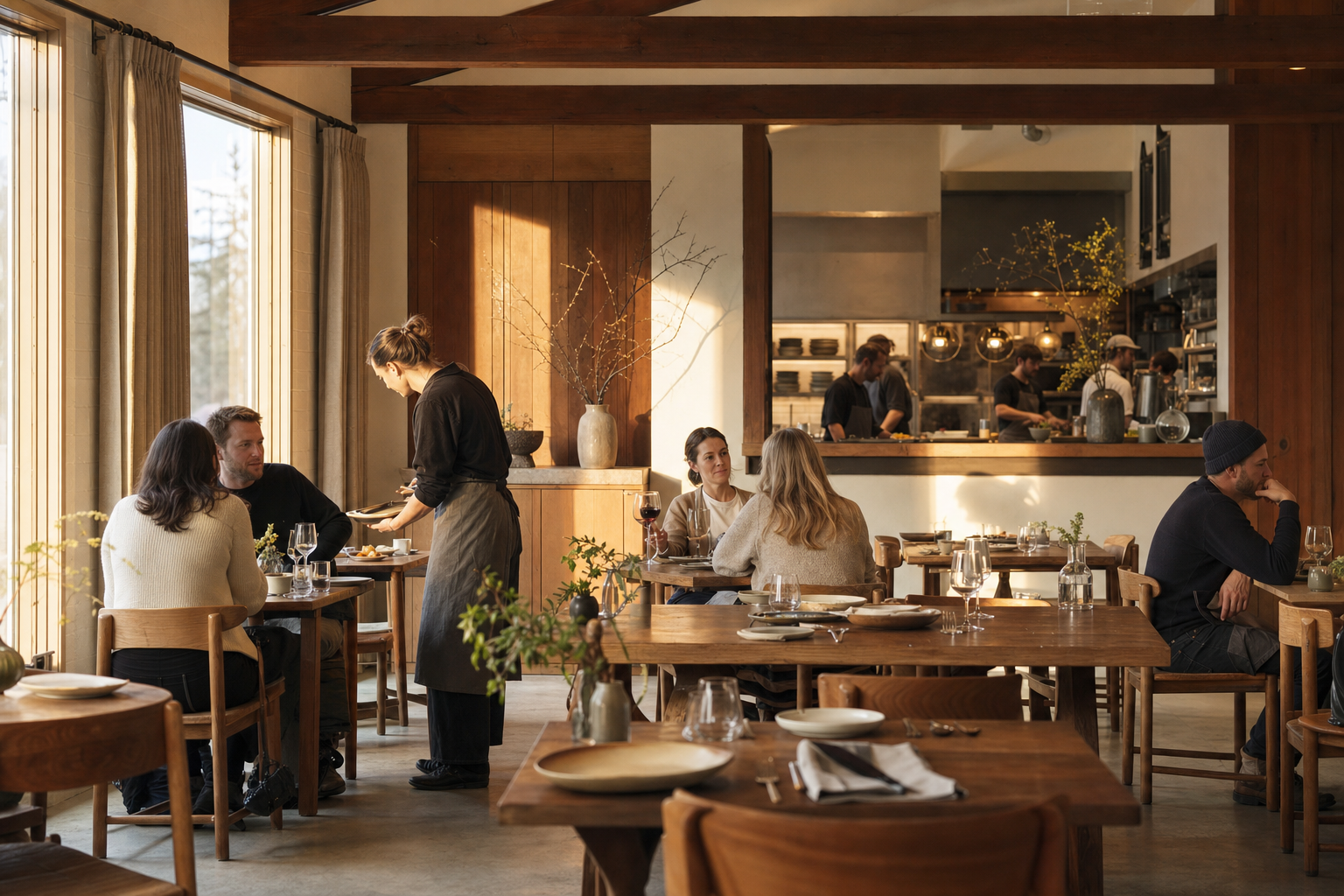
What Selby Social has gotten right is the calibration of its room to its block. Cathedral Hill is a neighborhood that supports a particular kind of evening: deliberate, paced, conversational rather than performative. The bars and restaurants that have lasted on this stretch of Selby and the adjacent blocks of Western and Grand have shared a quality of not asking their guests to perform — no loud rooms, no tasting menus that demand a multi-hour commitment, no scenes. Selby Social fits inside that lineage. The sound level on a Friday evening at nine was conversational without strain. The bar staff knew the difference between checking in and hovering. The room emptied at a reasonable hour without anyone signaling that it should.
Saint Paul does this register particularly well. There is a version of the small neighborhood bar that exists more clearly here than in Minneapolis, where the cocktail scene tends toward destination rooms and larger ambitions. The Cathedral Hill version is quieter and more local in its center of gravity. Selby Social is plainly trying to be that version of the form, and the early evidence suggests it has the discipline to remain one. The temptation in a small cocktail bar is to add: more bottles, more seats, more food, more programming. Selby Social has been open long enough to have begun adding things, and has resisted the temptation. The bar that opened in winter is recognizably the same bar in fall.
What the Cathedral Hill Bar Earns
The neighborhood bar is a particular kind of infrastructure. It is not a destination — guests will come from the surrounding blocks and not much farther, and the bar's purpose is to give those blocks a place to walk to on an evening when cooking dinner has not happened or has happened too early. The metric for a neighborhood bar is whether it makes the surrounding blocks better to live on, and by that metric Selby Social is already succeeding. The block has more reason to exist in the evening than it did a year ago. People are arriving on foot. The wine shop next door now has slightly longer hours on the nights that Selby Social is busiest, which is the kind of mutual reinforcement that good neighborhood infrastructure produces.
The amaro shelf will continue to develop. The seasonal cocktails will rotate. The food program will probably not expand, which is the right decision. The staff will continue to learn the regulars by their orders. There is no critical drama in this trajectory, and there should not be. A good neighborhood bar accumulates the right things slowly and is most useful when it is least conspicuous. Selby Social has begun that accumulation correctly, with a bar program that takes its restraint seriously and a room that knows what a Cathedral Hill evening is supposed to feel like. The block earned this bar. The bar appears to know it. Fictional for illustration.