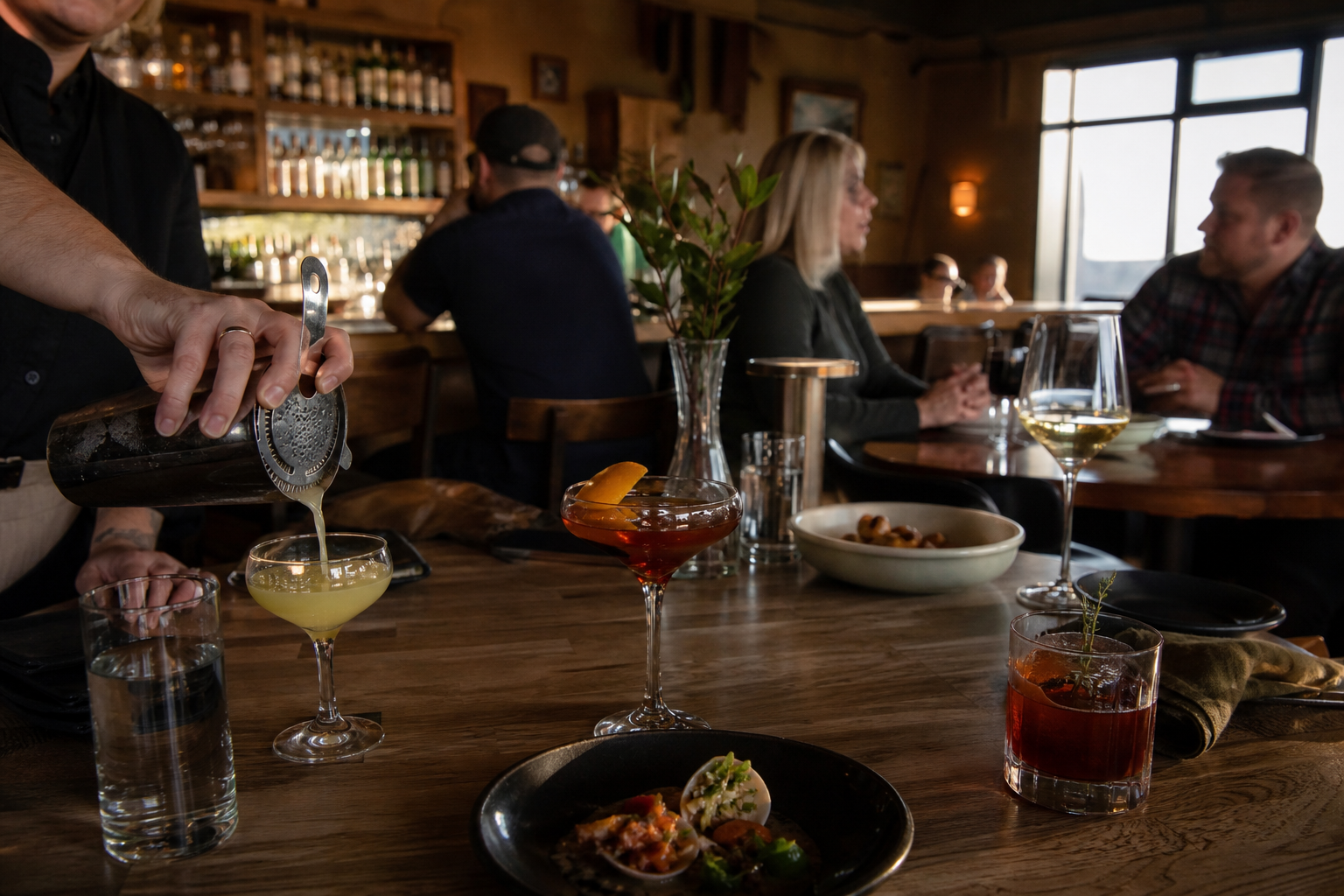
The first visit to Selby Social, six months ago, found a bar that was making a particular kind of argument: that restraint was a discipline, that a short list of well-considered cocktails was preferable to a longer list of indifferent ones, that the neighborhood bar form could be served by a program that committed to depth over breadth. The argument was credible at the time. The execution was consistent enough across the visit to suggest that the discipline would hold. The second visit, on a Thursday evening in October, found a bar that has not held the discipline and that is now operating in a way that suggests the early restraint was not a chosen aesthetic but an absence of capability. The distinction matters. A bar that chooses to do less in order to do it better is making one kind of argument. A bar that does less because it cannot do more is making a different argument, and the rating has to reflect the difference.
The amaro shelf, which was the most promising feature of the first visit, has not developed. The same bottles are on the back bar. The seasonal Negroni variations, which were the program's most interesting category in spring, have been replaced by a single year-round Negroni variation that is less interesting than any of the seasonal versions and that has been on the menu without rotation for the entire summer and fall. The Manhattan that was correctly proportioned in spring was over-vermouthed on the visit and stirred for visibly less time than the drink requires. The bar staff appeared to be working from muscle memory rather than from active attention to the drinks they were producing, and the resulting cocktails reflected this.
The Service Has Slipped
The service register on the first visit was warm without being effusive — the appropriate temperature for a neighborhood cocktail bar. The current service is closer to indifferent. The bar staff acknowledged guests on arrival but did not check in during the visit beyond the moments required to take orders. Recommendations were not offered when guests appeared uncertain. The check arrived before coffee was finished, which is a small operational error and is the kind of thing that a well-run bar does not do. None of these things is individually disqualifying. Collectively they suggest a bar staff that is no longer trying as hard as the staff that opened the bar was trying.
The food, which was a deliberately limited part of the program in spring, has not been expanded but has also not been maintained. The cheese plate on the visit included a cheese that was past its peak and that the staff did not appear to have inspected before sending out. The olives were the same olives that were on the menu in spring, served at a temperature that suggested they had been pulled directly from the refrigerator rather than allowed to warm to room temperature. The bread that accompanied the cheese plate was reasonable, though it was the only element of the food program that was clearly correct.
What Curdled and Why
A bar of this scale, in a neighborhood like Cathedral Hill, requires the discipline of a small team committed to the work over a long period. Selby Social opened with that team. The team has, in the months since opening, lost several of its original members, and the replacements have not absorbed the original program's discipline. The bar manager who set the initial restraint as the program's identity is reportedly no longer working the floor consistently. The result is a bar that has the architecture of a serious cocktail program but is no longer operating one. This is one of the more common failure modes for a small neighborhood bar — the original team carries the program for the first six to nine months, and the program collapses without that team — and Selby Social appears to be in the middle of that collapse.
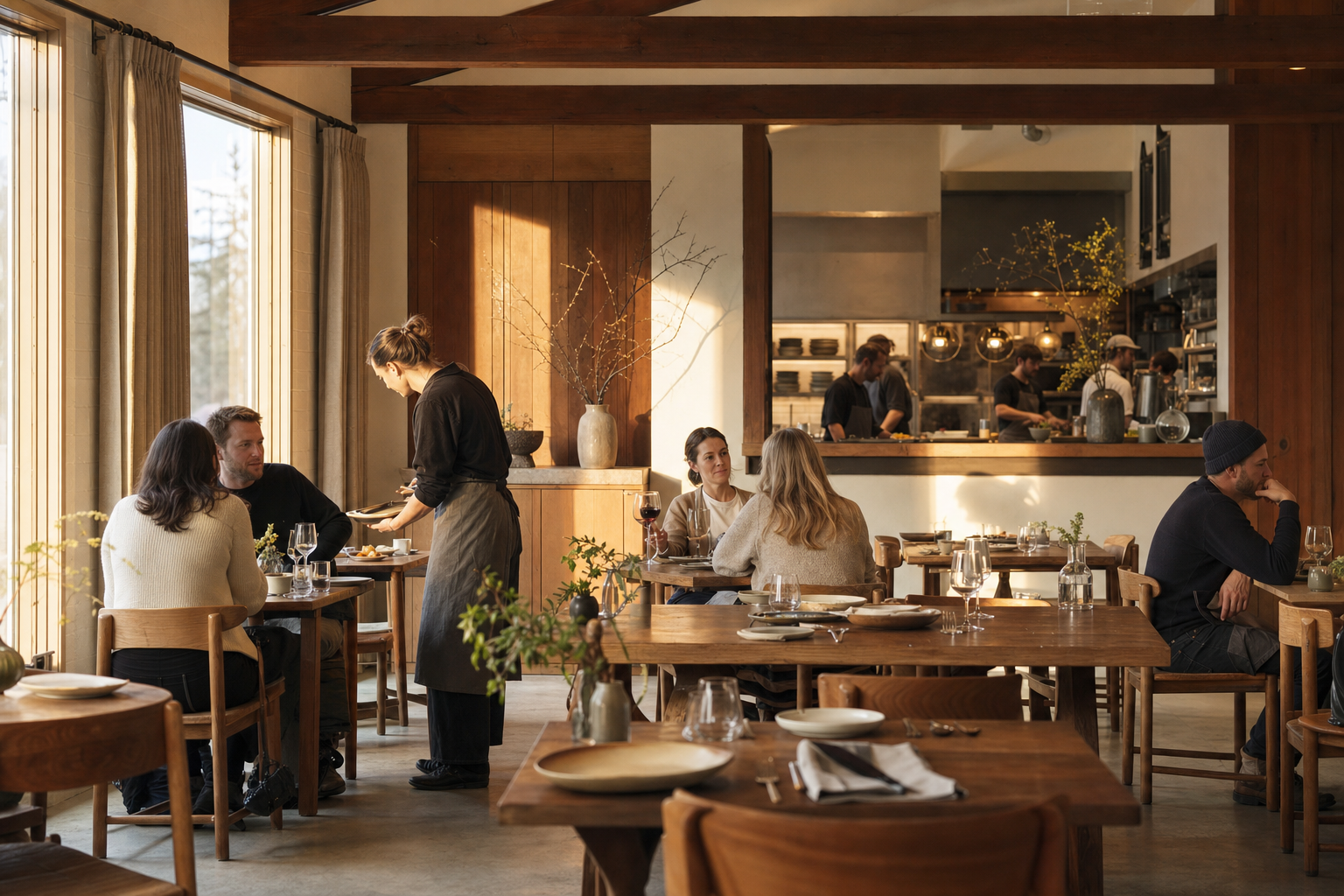
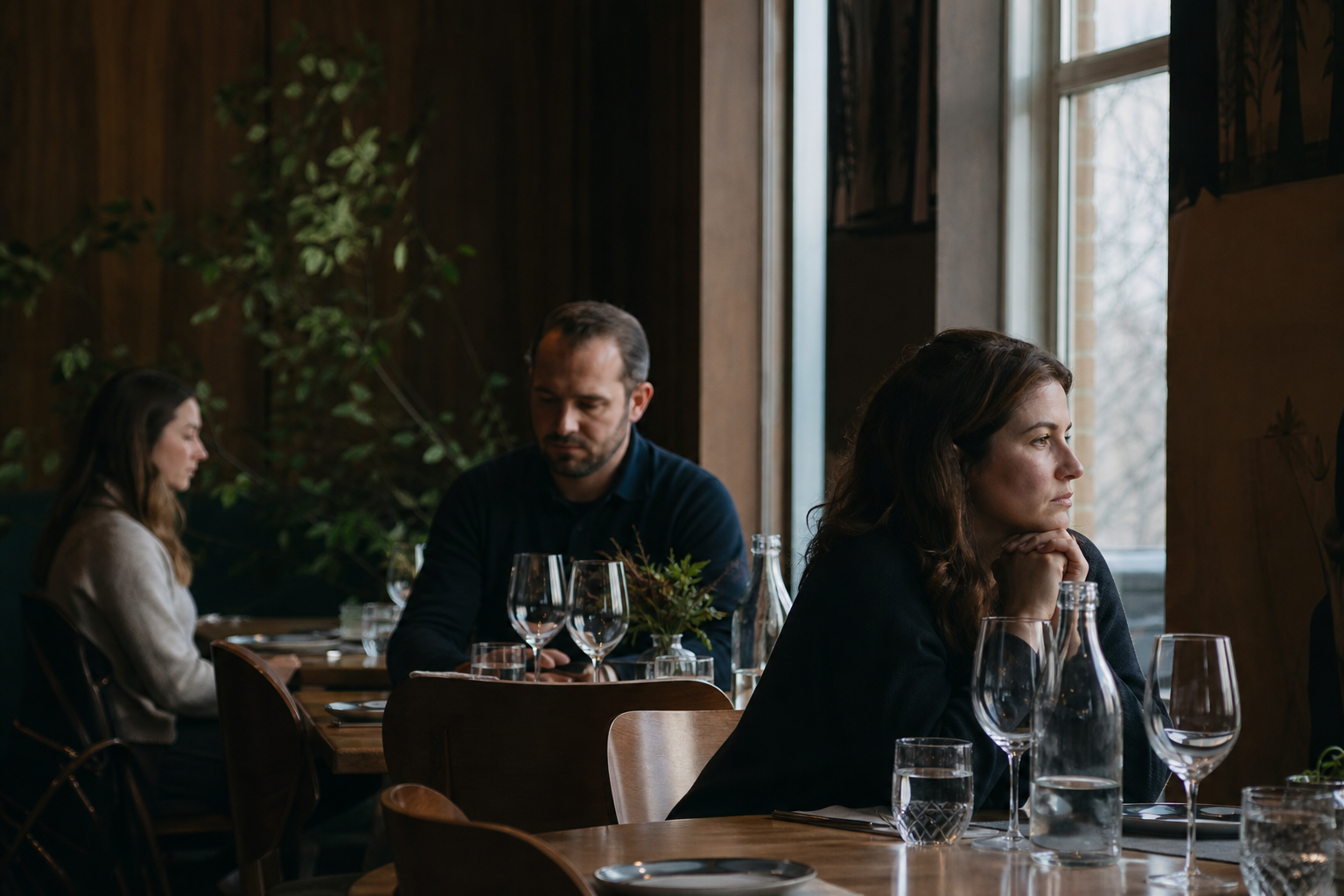
The room itself is unchanged. The lighting is still appropriate. The sound level is still calibrated for conversation. The bar is still in the architecturally correct configuration. None of these structural features is the reason the visit disappointed. The reason is the bar's daily operations, which is the part of a bar that is most difficult to recover once it slips. The restraint that the first review admired has not held; what has emerged in its place is not restraint but inattention, and the difference is visible in every drink and every interaction during the visit.
The Rating and the Recommendation
The Four Loons rubric correctly identifies this visit as a sub-loon experience, with scores across the dimensions that reflect the bar's current operations rather than its potential. The recommendation in the publication's language is skip — not the most aggressive negative recommendation in the rubric, which is reserved for restaurants that are actively unpleasant, but a clear signal that the bar is not currently worth the visit even for guests in the immediate neighborhood. There are several other bars within a short walk on Selby and Grand that are doing the work that Selby Social was trying to do in the spring, and a guest looking for a neighborhood cocktail bar in Cathedral Hill should choose one of those instead until Selby Social has demonstrated that its operations have recovered.
The publication will revisit the bar in another six months. The early discipline was real, the room is correct for the form, and the underlying conditions for a successful neighborhood bar are still present. Recovery is possible if the ownership rebuilds the bar program with the same care that produced the opening months. The current rating reflects the current operations, and the current operations are not what they were. The bar that the block earned has, for the moment, stopped earning the block. Fictional for illustration.