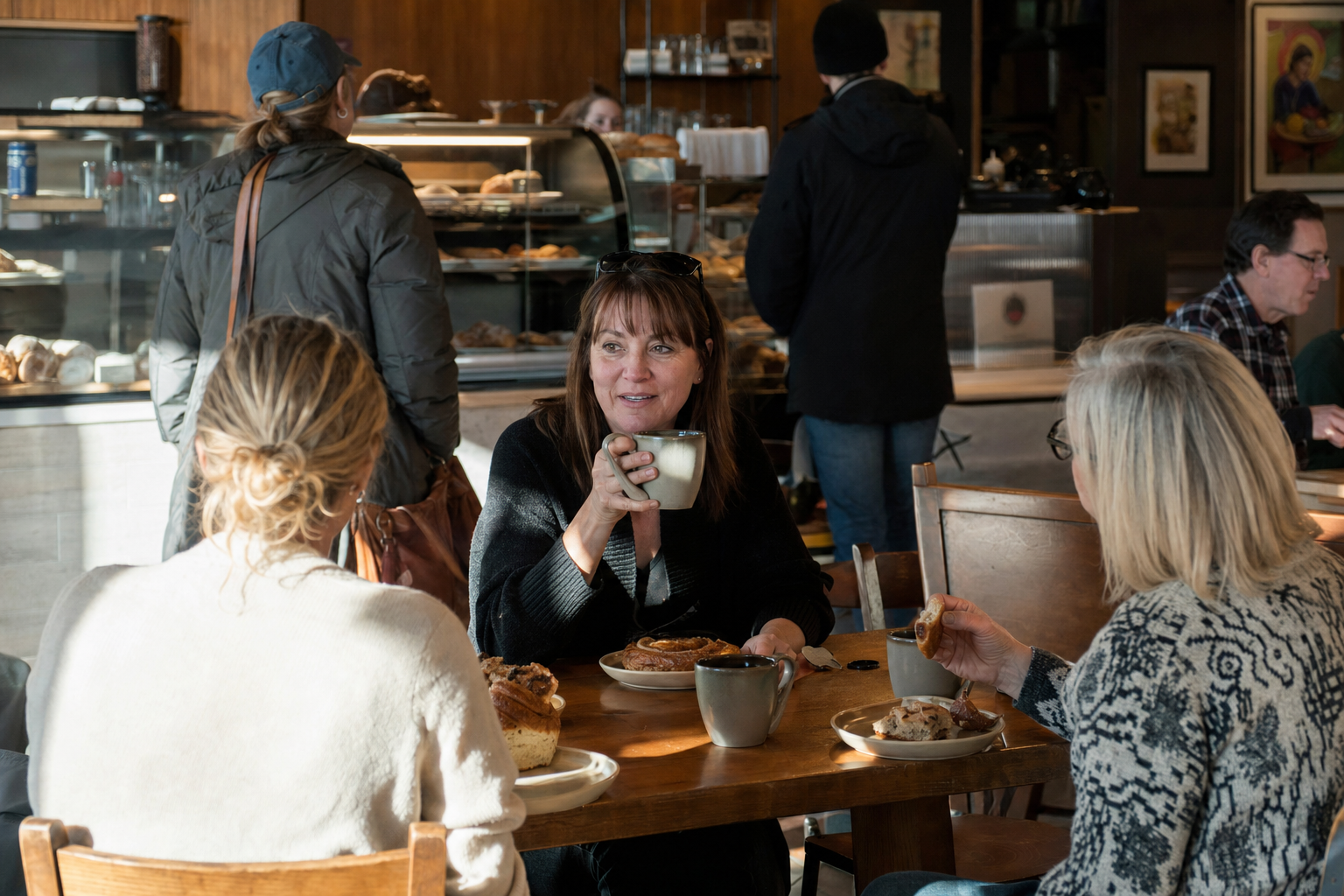
Skogen Bakeri occupies a narrow storefront on a Highland Park block that has not been fashionable since the late 1990s and does not appear to care. The windows are low, the counters are marble without being precious about it, and the kardemummabullar arrive from the back in a pan that the counter staff tilts toward you to show the interior rather than describing it. This is the correct introduction to a bakery that operates on the assumption that quality does not require announcing.
The cardamom buns are the obvious entry point and they are as good as you have heard from anyone who has found this place before you did. The lamination is correct: flaky at the perimeter, yielding in the center, with enough butter to hold the cardamom's bitterness forward against the sweet dough without surrendering to it. What distinguishes them from similar pastry at Twin Cities bakeries charging the same price is the sugar restraint. Skogen does not over-sweeten its laminated work, which means the spice stays audible rather than retreating behind a confectionary glaze. This seems obvious as a principle and is harder to maintain in practice than it looks.
The rye loaves are baked on a two-day schedule, and the person at the counter will tell you which day it is if you ask. On day one the crumb is open and the sourness is bright. On day two it has compressed and sweetened slightly, which makes it better suited to open-faced preparations but less ideal for hand-sliced eating. This is the kind of institutional knowledge that a bakery accumulates over years of making the same loaf and paying attention to what happens next. Skogen has it, and it informs everything from the baking schedule to the way the bread is sold: day-two loaves are marked down slightly, which is an honest policy and a practical one.
The Scandinavian Inheritance
Highland Park carries Scandinavian food heritage that most of its current residents arrived after, and Skogen is doing something specific about that. The kransekake in the case is not there for Norwegian American nostalgia; it is there because it is a technically demanding confection and the kitchen makes it correctly. The almond-and-powdered-sugar paste should crack at the surface and give gently in the center, and it does. The fattigmann — fried cardamom pastry — appears around the holidays. The lefse is available for retail sale on Thursdays and sells out before noon.
None of this is performative heritage cuisine. The Scandinavian identity is baked into the sourcing and the technique rather than projected through décor. The shelves do not have Nordic kitsch. The pastry case is not labeled with translated names. The lineage is in the ingredient ratios and the baking schedule, which is where it ought to be. A bakery that puts the culture into the work rather than onto the walls is a more useful document of that culture than any amount of aesthetic signaling.
The Morning Rhythm
Skogen is, by its own logic, a morning business. The service window opens at seven, the croissants and cardamom buns are gone by nine-thirty, and the afternoon belongs to rye loaves and bulk coffee orders. To resist this rhythm is to encounter the bakery diminished. The coffee program is competent rather than destination-worthy — a light roast from a regional roaster, poured over well, not particularly notable — but it does what morning coffee at a bakery is supposed to do, which is to function as the supporting structure for a pastry rather than the event itself.
The tables are limited. On a Saturday morning in October there is a wait for seating, managed without a formal system: people take turns without being told to, which is a distinctly Saint Paul phenomenon and the right response to it. The crowding is brief. By nine the tables have cycled and by ten-thirty you can sit without waiting. The bakery does not apologize for the Saturday morning pressure. It understands that the pressure is a sign that the work is right.
What It Costs, What It Returns
The prices at Skogen are not low for Saint Paul, but they are honest for what they are. A cardamom bun is four dollars and fifty cents — more than a gas station pastry and less than a boutique bakery in a more prominent neighborhood. The rye loaf is fourteen dollars for a properly fermented, time-intensive bread. Value in a bakery is the ratio of quality to price across every item in the case, and at Skogen the ratio holds at every price point we encountered. Nothing is marked up past its weight. Nothing is undersold either.
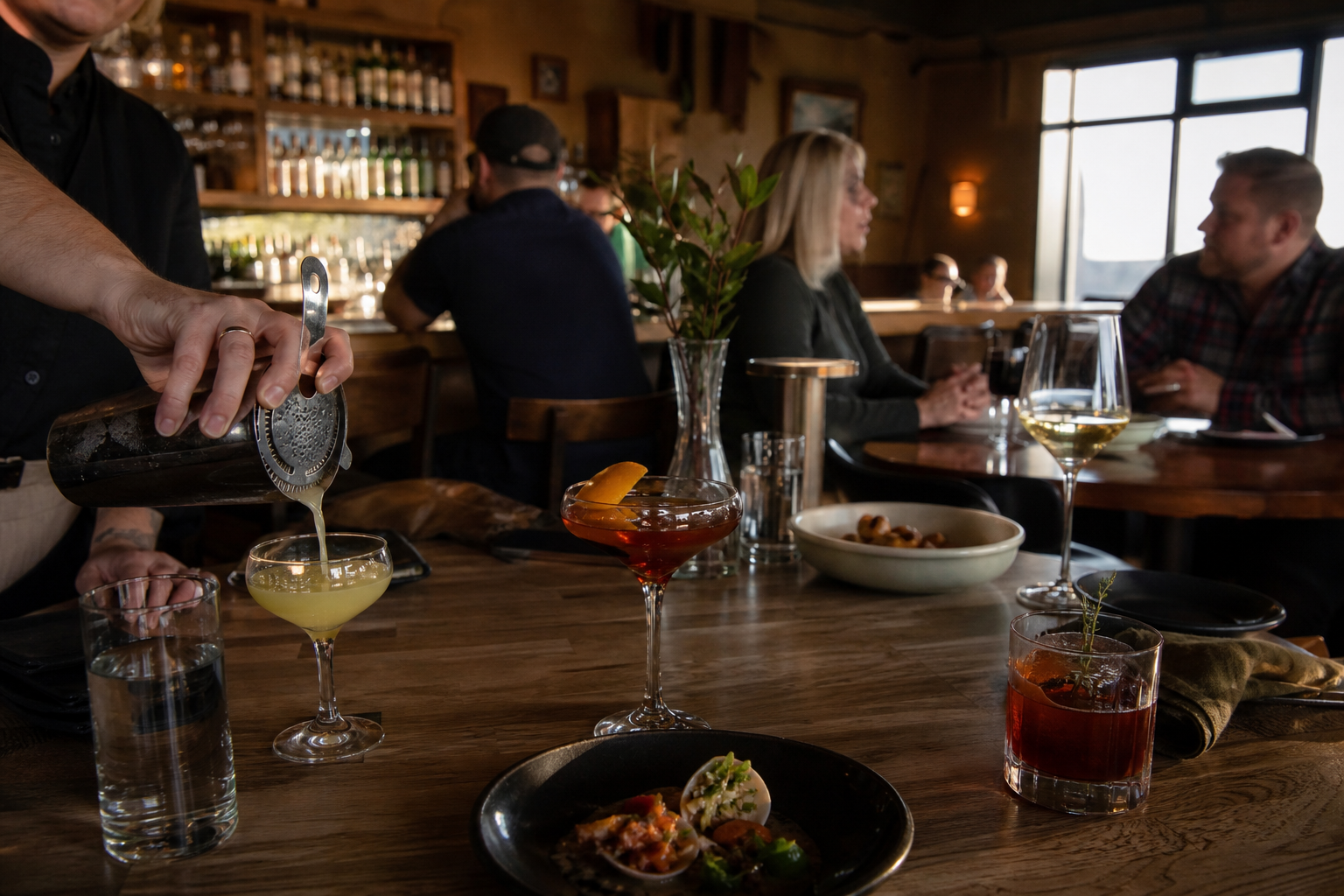
There is no cocktail program. There is no dinner service. The question of whether Skogen is a good bar or a good restaurant is not the right question. The question is whether it is a good bakery, and it is: focused, technically grounded, honest about what Scandinavian pastry actually requires, and located on a block that has not yet been discovered by the parts of the food media that specialize in discovery. The kardemummabullar alone justify the Highland Park detour. The rye bread will make you someone who plans around the baking schedule. Fictional for illustration.